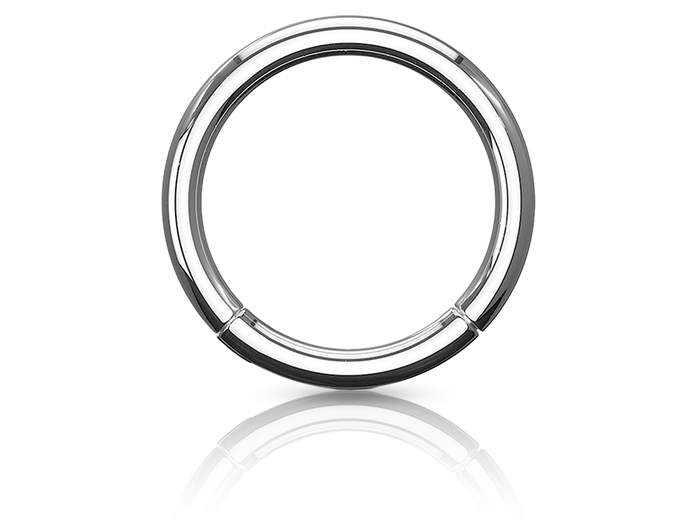

Tucked into the hollow of the ear, the conch is one of the most elegant cartilage piercings you can get. Worn on the inner or outer shell, it always turns heads. But because it sits in cartilage, right at the opening of the ear canal, it is natural to wonder about conch piercing pain and whether it hurts more than other ear piercings.
So how much does a conch piercing actually hurt? Here is exactly what you will feel and how to make the whole thing as comfortable as possible.
Table of Contents

Does a Conch Piercing Hurt?
We are talking about a piercing placed in the inner cartilage of the ear, so it will not come as a surprise that yes, a conch piercing can hurt a fair amount.

Cartilage is a sensitive area with plenty of nerve endings, and those small details are usually what drive how much you feel. As with any kind of pain, the experience is different for every person.
Either way, it helps to know that this pain comes in two stages:
- A first, sharp pain when the piercing is done, which is extremely short. After about 2 seconds the cartilage is already pierced, and that part is over.
- A second, slower ache during the healing process, which can be more throbbing and last longer.
On top of that, unlike the soft tissue of the lobe, the nose or the navel, cartilage takes longer to heal and settle (usually between 3 and 12 months).

How Long Does the Pain Last?
Here is some reassurance right away: just because a conch piercing takes 3 to 12 months to fully heal does not mean the pain lasts that long.
As we just explained, you will feel a brief, sharp pain during the piercing itself, a bit like a pinch. Depending on your sensitivity it can be intense, but it fades as fast as it appears. And that is pretty reassuring.

Then, during the first few days after the piercing, you may keep feeling some tenderness in the cartilage. It will be much milder than what you felt in the chair, but it can be more annoying:
It can disrupt your sleep, and it can be bothersome since it sits right next to the ear canal.
After that, through the healing months, the pain usually stops. It may only flare up again if the piercing gets bumped or after a night when your ear was in a bad position.
Cartilage is slow to settle, so gentle daily care matters more than anything. Our full routine in how to disinfect a piercing walks you through it step by step.
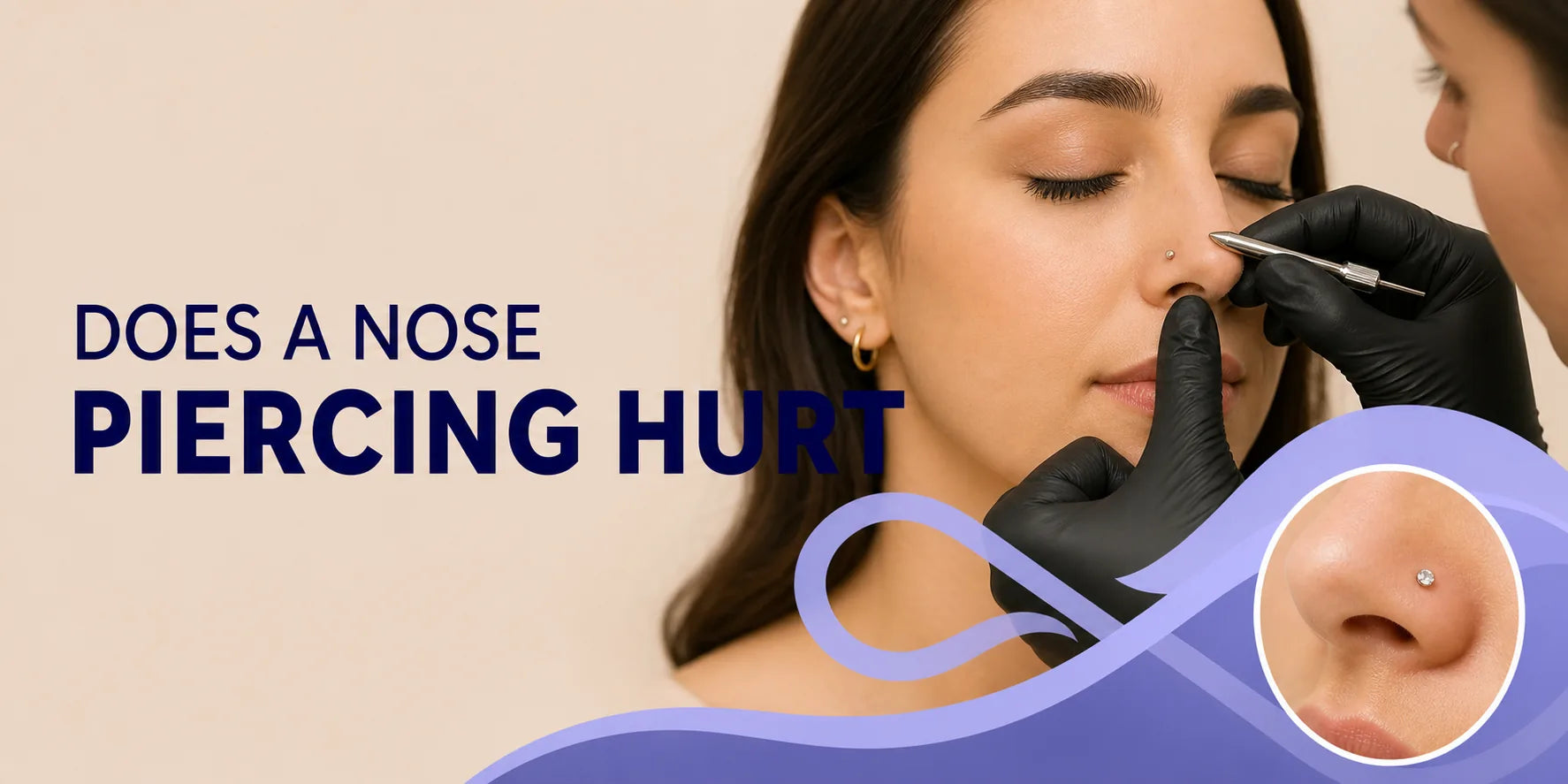
What Happens at the Piercer
If your lobes are the only part of your body that is pierced, you may be wondering how a conch piercing is actually done, so you can picture when the first sensations will hit.
Here is how it goes:
- Once you arrive, you sit or lie back in a chair.
- The piercer disinfects your ear to stop bacteria from causing an infection.
- They mark the piercing point on the ear you chose.
- They ask you to check the placement in a mirror.
- Using a needle, they pierce the hole, going from the front of your cartilage to the back.
- The jewelry is then inserted right away.
- Any small drops of blood are wiped away with a cotton swab.
- And that is it, your conch is in.

How to Cope With the Pain
If you are dreading this part, know that there are several ways to handle it. Here are a few:
Talk to your piercer. Before doing your piercing, they can find the right words to reassure you. It is a situation they know well, and you will not be the first nervous person they have met.
Remember to breathe during the piercing. It sounds basic, but taking a deep breath instead of holding it makes the pain feel a lot less unpleasant.

Eat before your appointment. This is not a medical procedure, so you do not need an empty stomach. Having a small bite also keeps you from feeling lightheaded once the piercing is done.
Do not underestimate positive thinking. Once you are seated or lying in the chair, you can close your eyes and let your mind drift to pleasant moments.

What Factors Can Influence the Pain?
How pain feels is personal, but there are still common factors that can influence it. Want the least painful conch possible? Here are a few tips:
Choose an experienced piercer. With their technique, skill and gentle hand, they are best placed to keep the pain you feel under control.
Avoid heavy drinking before your appointment. You may feel numbed in the moment, but the pain afterward will be worse, and healing can be affected too.

Consider a local anesthetic cream if you are truly worried you cannot handle the pain. Apply a small amount in the hollow of your ear, where the conch will sit.
Do not sleep any old way. For the first nights, try not to sleep on your piercing. It slows healing and makes the pain last longer.
Conch, helix and other cartilage piercings all heal on a similar, slower timeline. If you want to know what to expect week by week, our helix piercing healing time guide breaks it down.

Conclusion
Like every cartilage piercing, the conch can hurt. It is no different from the others: a sharp but fleeting pain during the piercing, followed by a tolerable but longer ache as it heals.
The good news is there are ways to prepare for that pain and feel it less. And remember one thing above all: this small discomfort is nothing compared to the style your new conch piercing will give you.