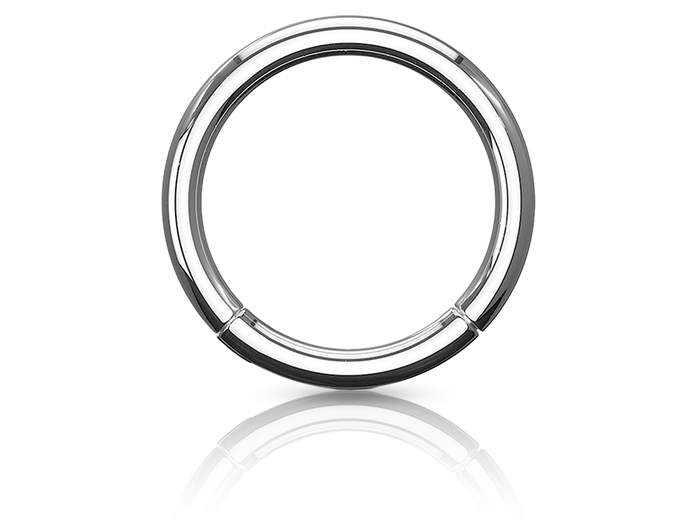

Like any piercing, nipple piercings need a little time to heal and close up properly. While other commonly pierced areas, like your ears, are dense with tissue and heal fairly fast, your nipple is delicate and connected to a number of sensitive ducts and blood vessels.
The nipple piercing healing time is one of the longest, taking on average 9 to 12 months. Having a foreign object under the skin can raise your chances of an infected nipple piercing, so aftercare really matters.
Table of Contents
The first days and weeks after a nipple piercing are crucial for aftercare. The piercing is fresh and can stay open for a while, which leaves the area vulnerable to infectious bacteria introduced through the air or by contact with skin or other objects.

Your piercer will give you detailed aftercare instructions once your nipple piercing is done. Follow all of them as closely as you can. Here is a step-by-step guide to caring for your nipple piercing, to help prevent infection and improve healing.
Things to Do for Nipple Piercing Healing
- Rinse your piercing several times a day. Use clean warm water, a mild unscented soap, and a clean dry towel or paper towel, especially if you still notice some bleeding. Try to rinse the piercing every time you take a bath or shower.

- Soak the piercing in a sea salt bath at least twice a day. Do this for a few months after the piercing. Put a tiny bit of non-iodized sea salt or a saline solution in a small glass, then press the glass against your nipple to submerge it in the solution. Hold it there for 5 minutes, then drain it. Repeat for the other nipple. You can also dip cotton balls in the solution and dab them on your nipples.
- Wear loose cotton clothing for the first few months. Tight clothing can keep the piercing from getting air, which can increase bacteria buildup. Tight clothes can also rub and irritate the piercing, which can be painful and damage it.

- Wear thick cotton clothing or a padded or sports bra at night or during physical activity. This can help keep the piercing still and protect it from snagging on blankets or fabric in bed. It also protects it during activities like exercise or sports, when the piercing can be touched or move vigorously.
- Be careful when you get dressed. Fabric can catch on the piercing, pull it, or tear the jewelry. That can be painful and raise the risk of infection.

Things Not to Do
- Do not use medications or substances that can thin your blood during the first weeks after piercing. This includes aspirin, alcohol, and caffeine. These can all make it harder for the piercing to clot and heal, which makes bleeding more likely.
- Do not smoke. Nicotine can slow the healing process. Cut back on smoking, or try a nicotine patch or a vape with less nicotine if you are not ready to quit.

- Forget the pool. Public pools, spas, and other bodies of water are breeding grounds for bacteria.
- Do not use harsh soap. These can damage your piercing or dry out your skin. That makes an infection more likely, which sets your healing back.

- Do not touch the piercing with your hands. Your hands carry plenty of bacteria from the objects you touch all day. This is especially true when you frequently use devices like your phone or computer.
- Do not move or play with the jewelry while it heals. This can cause tiny tears in the skin that damage the area, make infection more likely, and delay your healing.
- Do not move the jewelry through the piercing to remove crusts. Instead, use water and a saline solution to soften the crusts and wipe them away.
- Do not use over-the-counter creams or ointments before asking your doctor. These can trap bacteria in the piercing and make it more likely to get infected.

The Nipple Piercing Healing Process
A nipple piercing can take up to a year to heal completely. During the first weeks and months, you can expect to see the following:
- Bleeding. The skin at your nipple is thin, so bleeding is common in the first days. Rinse and dry the piercing regularly to wipe away blood and keep the area clean. See your piercer if bleeding continues after the first weeks with no clear cause.
- Swelling. Swelling happens in 99% of cases, so do not worry. This is why many piercers recommend choosing a nipple bar with a long shaft, which lets your tissue swell without any obstruction.
See your piercer if the swelling is especially visible or painful.
- Discomfort during your period. Some women may feel nipple tenderness during their period, especially in the first months after the piercing.
- Crusting. Having crusts is completely normal, no need to worry. It is the result of the lymph fluid your body makes to help heal wounds. Just rinse and dry it whenever the crust builds up.

How to Relieve the Pain
Here are a few tips to ease the pain of your nipple piercing:
- Take medication: like ibuprofen, to reduce discomfort.
- Use cold: apply an ice pack or a cold compress to the area to reduce swelling.
- Use a saline solution: your sea salt soak to support healing.
- Natural remedies: try tea tree oil to reduce swelling and pain.

Side Effects to Watch For
Here are some possible side effects that can happen after a nipple piercing:
- Hypergranulation. This is a ring of thick, fluid-filled tissue around the piercing holes.
- Scarring. A thick, hard buildup of scar tissue can form around the piercing, including keloid scars that can grow much larger than the pierced area.
- Infection. Bacteria can build up around the pierced area and infect the tissue, causing pain, swelling, and pus. Untreated infections can permanently damage or destroy your nipples and spread to other parts of your body.

Conclusion
Nipple piercings can add a cool look, and proper aftercare makes sure it heals well and stays that way. The nipple piercing healing time is long, so patience and a steady routine are your best friends.
See your piercer if the jewelry falls out or if you are not sure it is healing correctly. A quick check now can save you weeks of trouble later.