
High on the bridge or barely visible on the nostril, a nose piercing can make you feel like the coolest person in the room. But before you book it, good nose piercing aftercare is what turns a quick appointment into a smooth, safe heal.
This guide walks you through the different nose piercings you can get, how the procedure works, how much it hurts and costs, and, most importantly, how to clean and care for your new piercing so it heals fast and trouble-free.
Table of Contents
- What Is a Nose Piercing?
- The 5 Types of Nose Piercing
- How Is a Nose Piercing Done?
- How Much Does a Nose Piercing Hurt?
- How Much Does a Nose Piercing Cost?
- How to Prepare for a Nose Piercing
- Nose Piercing Cleaning and Aftercare Guide
- How Long Does a Nose Piercing Take to Heal?
- Nose Piercing Infections
- What Jewelry for a Nose Piercing?
- Our Best Nose Piercing Tips
- Conclusion

What Is a Nose Piercing?
A nose piercing is any piercing through a part or section of your nose, meant to hold jewelry afterward. The piercing can pass through cartilage or skin, depending on the placement you choose.
The 5 Types of Nose Piercing
There are several types of nose piercing to consider. Let's walk through five common ones and what each involves. Remember, you are not limited to these five: you can mix and layer several for an unforgettable look.
Nostril Piercing
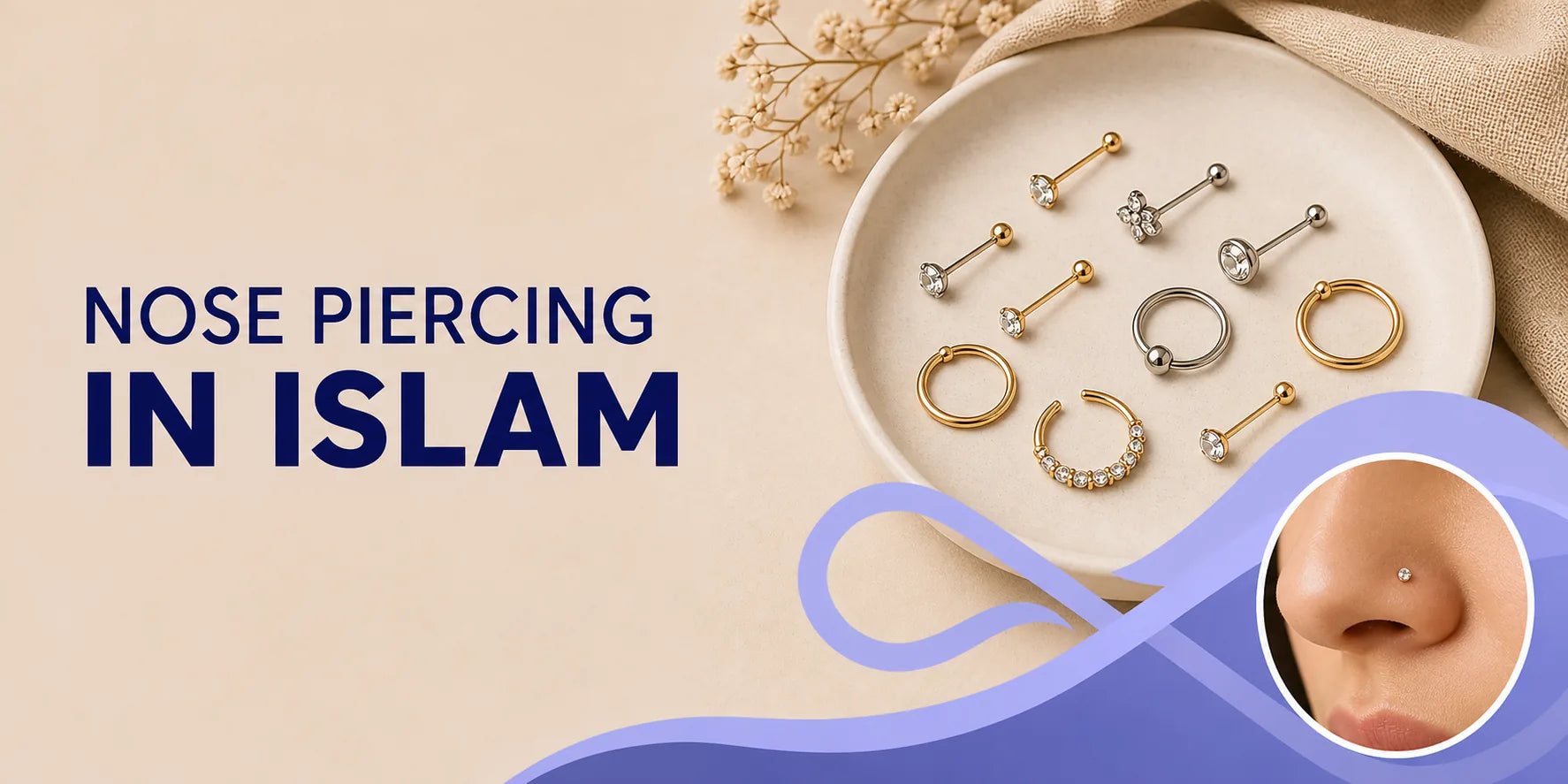
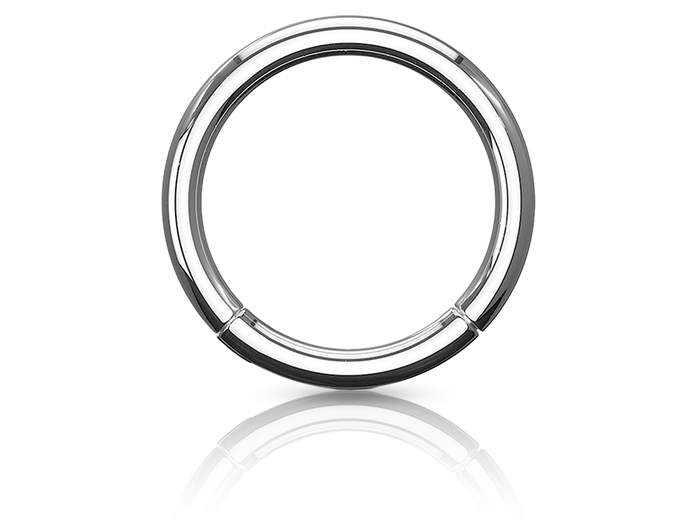
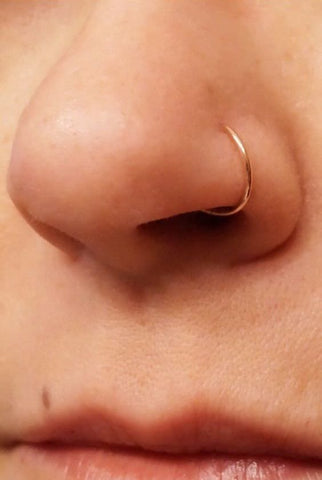
Nostril piercings are the most popular type of nose piercing. Everyone knows someone with one, and we see celebrities wearing real or fake ones in every magazine. This piercing goes through your nostril and can be placed on either side. You can wear almost any type of jewelry with it, including rings, circular barbells, studs, and many more.
Bridge Piercing
It might seem painful to get this one, since it sits on the bridge of your nose, where all the bone and cartilage are. But even though it looks like it passes through that area, it only goes through the skin, which leads to a faster healing time. Stay cautious, though: it has a higher chance of rejection than many other piercings, simply because of how shallow it sits. Rejection is when your body pushes the piercing back out, treating it like a splinter or any foreign object. If migration is suspected, you will see the piercing move closer to the surface of the skin, and if that happens, it will need to be removed. To give yourself a fighting chance against rejection, choose a curved barbell rather than a straight bar.
Septum Piercing
Septum piercings sit in the middle of the nose, between the two nostrils, just before the cartilage begins. Although these are gaining popularity, not everyone is a good candidate for one. Unlike some nose piercings, this one can be hidden when you need to. If your boss comments on your appearance, or you have a big job interview, you can flip the jewelry up inside your nose and bring it back down when you are done.
Septril Piercing
You can get this piercing if you have already had a septum piercing. It passes through and comes out under the tip of the nose. It is not something you can do on a whim: it can take years and cause a lot of discomfort.
Vertical Tip Piercing
You do not see this type very often. It is a vertical piercing that runs from just above the tip of your nose to just below it, at the very bottom of the nose. For it to work with the shape of your nose, you need a curved barbell.
Nasallang Piercing
With this piercing, you have two nose piercings placed symmetrically on each side. Make no mistake, though, it is far more complex than that: there are actually three holes to pierce.
How Is a Nose Piercing Done?
- The first thing your piercer should do is put on a pair of sterile gloves before touching any part of your skin or any of the tools needed for the piercing.
- Before picking up the needle, they should disinfect the surface of the skin they are going to pierce, and mark the spot so you both agree on exactly where the jewelry will sit.
- If you have any doubt about the marking, speak up right away, or it will be too late to change anything.
- Once that is done, they are ready to begin. They should use a hollow needle. They should never use a piercing gun.
Piercing guns cause far more tissue damage than necessary. A hollow needle is a better choice because it is gentler on skin and cartilage, and it is the more hygienic option. With guns, even after cleaning, tiny particles of skin, fluid, and contaminants can lodge inside. Leftovers from anyone who used that gun before you can end up contaminating you. That is how some people end up with hepatitis or other diseases after a simple piercing.
If your piercer reaches for a piercing gun instead of a hollow needle, walk out. Once the procedure is done, they will wipe away any blood and give you the aftercare instructions you need to follow. Keep their phone number or business card so you can reach them if you have questions during healing.

How Much Does a Nose Piercing Hurt?
It depends a lot on the placement and on how you handle pain. If you take pain like a champ, a nose piercing may not feel too bad. Either way, it will hurt a little (and you are a tough cookie if you say it did not). Nostril piercings are usually not too painful, though they hurt a bit more than a lobe piercing. The pain varies with the type of nose piercing you get. The most universally painful is the septril, so if you are not great with pain, you might skip that one.
Our best tip for your nose piercing: distract yourself before your appointment and keep it in perspective. There are worse things in life.
Once the piercing itself is done, it will still be sore. Your nose will be tender for the first few days, maybe the first two weeks.
- If it is really bothering you, you can take an ibuprofen to ease the discomfort.
- You can also try a warm compress, which helps relieve some of the pressure from any fluid build-up. The warmth should encourage drainage and bring relief.
- If heat does not help and you are not a fan of pills, try a cold compress near the piercing to dull the pain. Do not put ice directly on your nose, though, or you will make it worse.
How Much Does a Nose Piercing Cost?
What you pay for a nose piercing depends heavily on the type. For a nose piercing in general, expect to pay around $30 to $80. That usually includes starter jewelry, but the price goes up if you want something fancier.
Simple nose piercings sit at the lower end of that range. Piercings like the septril and septum land more around $40 to $60. Bridge piercings, along with nasallang and vertical nose piercings, reach the top of the range. Beyond the type, other factors affect the price: your piercer's reputation and experience, and whether the studio is in a big city or a small town.
The procedure is fairly affordable, but the overall cost can climb much higher if you do not take care of your new piercing. You might have to add doctor visits and antibiotics to the total if it gets infected because of neglect. Our best tip to keep the cost down is to follow every rule your piercer gives you.

How to Prepare for a Nose Piercing
The first thing to do is find a piercer who feels like a good fit. You should feel comfortable with them, because you may need to call after the piercing with follow-up questions, and if they seem unapproachable you might be too nervous to reach out even when you need the information.
Beyond personality, find one who is highly recommended by others. Ask friends who were recently pierced where they went and whether they were happy with the service. Hygiene should be the number one priority when choosing a piercer. If they do not have good sanitary practices, you could get sick and face medical costs.
After choosing a piercer, ask whether you are a good candidate for the piercing you want. You might not be. People with a severely deviated septum, for example, should not get a septum piercing. If you have had rejection problems with other piercings, your piercer may advise against a bridge piercing. Disclose any medical conditions you have; withholding that information can be dangerous. If your health raises concerns, your piercer may ask for your doctor's approval, so go and check with them if asked. Before the big day, make sure you have the aftercare products you will need for the coming days and weeks. And if you currently have a cold, consider pushing the date back until you feel better; your piercer will appreciate it too.

Nose Piercing Cleaning and Aftercare Guide
There is a reason doctors and health professionals stress the importance of washing your hands. It is good for us, so before you touch your piercing, wash your hands first. The second rule of nose piercing aftercare is that you should clean it at least twice a day. If you can find the time to clean it more than that, it is not a bad idea, especially if you develop an infection or a bump.
Our aftercare tip: soak your nose in a saline solution twice a day.
Once your saline is mixed, grab a handful of cotton balls. Dampen one and hold it firmly against the piercing until it starts to dry out a little. Then take another and repeat, holding cotton balls against your skin for at least five minutes. Alternatively, you can buy ready-made piercing aftercare sprays designed to heal your new piercing as quickly and effectively as possible.
For the next few weeks, be very careful with the beauty or cleaning products you use on your face. Do not use anything irritating or drying near the piercing; it may sting and slow healing. After gently washing your face at night, do not rub it with a bath towel. Instead, pat it dry with a clean paper towel, which is more sterile and much gentler than rubbing. If you play sports, take steps to protect your nose from bumps, and keep in mind that any contact will delay healing. Finally, until your nose has healed well, avoid long periods of sun exposure. Too much sun and a burn (or even a deep tan) can dry the skin and lead to scabbing, which is not good for a fresh nose piercing.

How Long Does a Nose Piercing Take to Heal?
Some piercings heal much faster than others. You will typically wait two to four months for a nostril piercing to heal. Others, like bridge piercings, take longer and can need up to 10 weeks, rarely fully healed by two months. Septum piercings often take the longest, from six to eight months to fully heal.
Your piercer will tell you how long healing should take based on the type you get, and how long to wait before changing the jewelry. Often you will not have to wait for a full heal to swap jewelry, but you should wait at least a few weeks. It also helps to know how to insert a nose piercing correctly so you do not cause extra damage by poking the inside of your nostril. In some cases it can seem like your piercing is fully healed, so if you try to remove your jewelry at that point, do it gently.
For the full breakdown, see our guide on how long a nose piercing takes to heal. Better to wait a little too long than not long enough for healing to finish.

Nose Piercing Infections
It can be easy to get an infection with a nose piercing. The nose is a perfect place for bacteria after all: it is moist and you touch it constantly with unwashed hands. When people sneeze or cough around you, you breathe in their germs. So no one should be surprised by the steady supply of bacteria in your nose.
That bacteria can be a huge problem when you have an open wound from your piercing. And remember, while infections are most common with a new piercing, they can happen at any time, even after it has fully healed. Beyond the normal skin infections any piercing can cause, you also need to watch for perichondritis, an infection of the tissue around the cartilage. If it happens and is not treated quickly, it can kill that tissue and cause big problems.
The best way to protect yourself is to wash your hands every time before touching your nose piercing. It matters with any piercing, but especially with the nose, which is constantly exposed to germs and is a part of your body you touch a lot. It can be hard to tell when you have an infection, but catching it early matters, because the longer it goes untreated, the harder it is to treat. Common signs of infection include:
- Redness
- Swelling
- Pain
- Pus
You can even get a fever and chills with very serious infections. If that happens, the infection is no longer localized and is spreading through your body, so call a doctor right away. Bumps on the nose can also be a sign of infection, though not always.
If you do get an infection, one of the worst things you can do is remove the piercing. It feels like the right move, but it is not. If you take it out, the hole closes and traps all the infected material inside. Keeping the jewelry in lets that discharge drain out of the site instead. Learn the full playbook in our guide to preventing a nose piercing infection.
What Jewelry for a Nose Piercing?
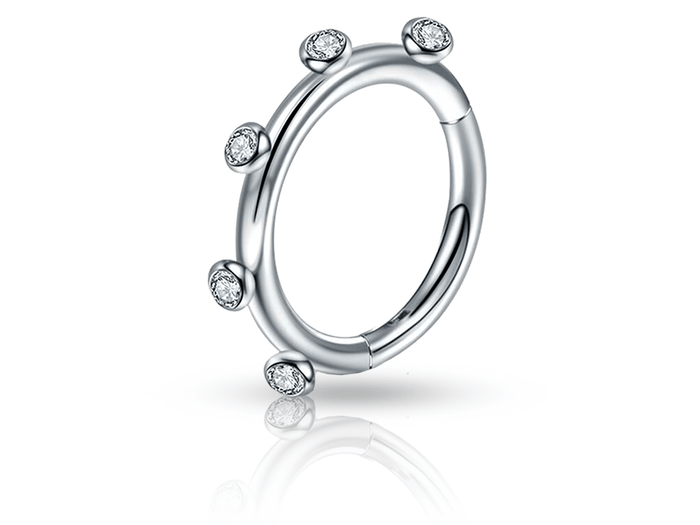
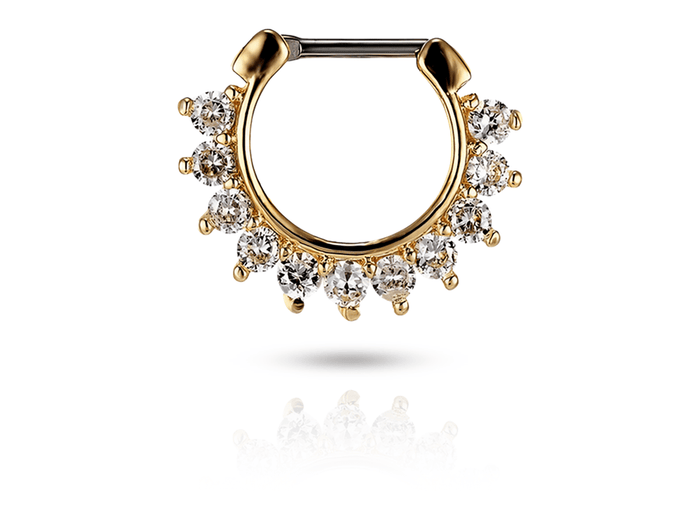
The jewelry you wear depends mainly on the type of nose piercing you have. Some pieces, like rings, work for almost any nose piercing, but other placements do not give you as much freedom. The nose is a small space to work with, so ask your piercer which styles will suit the piercing you are considering.
Whatever style you choose, you can ask for a non-allergenic metal such as titanium as your starter jewelry. This can lower your risk of rejection and even infection. The longer your skin stays unhealed, the more exposed you are, so a gentle metal helps.
Our Best Nose Piercing Tips
- Distract yourself before your appointment and keep it in perspective. There are worse things in life.
- Make hygiene your top priority when choosing a piercer.
- Soak your nose in a saline solution twice a day.
- Better to wait a little too long than not long enough for healing to finish.
- Cleaning twice a day is a minimum.
- Never remove your nose piercing if it gets infected.
Conclusion
A nose piercing is one of the most versatile looks out there, from a subtle nostril stud to a bold septum ring. Whichever you choose, good nose piercing aftercare is what makes the difference: wash your hands, clean twice a day, soak with saline, and be patient with healing.
Choose a clean, reputable piercer, pick a gentle starter metal like titanium, and follow every instruction they give you. Do that, and your new nose piercing will heal fast, safe, and looking exactly how you pictured it.