
Most people choose a piercing purely for the look. A few piercings, though, can carry a deeper purpose than appearance, and the daith piercing is one of them. So the big question stands: does a daith piercing hurt, and how much?
Many people love the daith mainly because it is pretty, while others pick it because it may help ease migraines, as an alternative to acupuncture. In this guide you will learn everything that matters before you commit: whether it can really help with migraines, how painful it is, and how long it takes to heal.
Table of Contents

What Is a Daith Piercing?
A daith piercing is a perforation through a small fold of cartilage inside the ear. The daith sits roughly halfway into the ear, just above the ear canal. Because of its small size and the way it curves, it can be tricky for piercers to reach comfortably, which is exactly why you want an experienced professional for it.
Do Daith Piercings Help With Migraines?
The reason a link exists between daith piercings and migraine relief comes from the practice of acupuncture. The ear holds several pressure points, and acupuncture has been used for hundreds of years to trigger those points with the goal of reducing migraine attacks.

One of the spots said to be most effective for easing headaches and migraines is the daith region, though this has never been backed by science. Still, it is this long-standing belief that created the link between the daith piercing and migraine relief.
Some studies suggest migraine symptoms ease after a daith piercing, but researchers agree that more clinical testing is needed before any definite link can be confirmed. Treat migraine relief as a possible bonus, not a guarantee.
Daith Piercing Pain: Everything You Need to Know
What to Do Before Getting Your Daith Pierced
- Tie your hair back if it is long.
- Eat something before you head to the studio to lower the risk of feeling faint when the needle goes through.
- Do not take anything that might "help" you cope with the pain (painkillers, alcohol, and so on).
- Finally, make sure you really want this piercing.
If you are getting a daith piercing for migraines, understand clearly that it may not be a miracle fix for you. If you go in convinced it will automatically cure every headache you have, you need to accept that it might simply not work for you. It is wise to do deeper research on acupuncture first.

What Happens During the Procedure?
- Your piercer will ask you to lie down and turn your head so they can reach the area. Some piercers prefer to work with you seated.
- When you are ready, they use a sterile needle to make the piercing. They may also use medical forceps to help with the procedure.
- They will wipe away the blood that gathers in your ear after the piercing.
- Because the needle passes through cartilage, you may feel fairly strong pressure.
- Once the cartilage is pierced, they set the jewelry in place and walk you through what to do over the following weeks.
How Painful Is a Daith Piercing?
Daith piercings are generally more painful than lobe piercings. That is because the needle passes through cartilage at the front of the ear canal. As a result, you will likely feel more pain sitting in the chair than with almost any other piercing you have had before.
Recovery can also be slightly painful for a week or two, though this varies from one person to the next.

How Long Until a Daith Piercing Heals?
It can take four to twelve months for your daith piercing to fully heal. You can speed up healing by taking good care of it and making sure you do not snag it when pulling clothes over your head or brushing your hair. The more you leave it alone, the sooner it tends to heal. For a broader look at ear timelines, see our guide on ear piercing healing time.
It is best not to remove the jewelry until your piercing is completely healed, even if it looks fine on the outside.
How Much Does a Daith Piercing Cost?
Daith piercings cost more than many other piercings because they are harder to perform. The jewelry can also take more time to fit than other piercings, which adds to the higher price. For most daith piercings, you can expect to pay between $50 and $100, depending on your piercer's qualifications and studio.

Daith Aftercare and Cleaning
As with all cartilage piercings, it needs cleaning twice a day with a saline solution (warm if possible). This helps prevent infection, and the warm water should also bring some relief from the soreness. If you want the full routine, our step-by-step guide on how to disinfect a piercing walks you through it.

At the same time, make sure you wash all around it so the area is cleaned thoroughly and completely.
You should clean your daith piercing:
- Once in the morning
- Once before you go to bed
Keep this rhythm going for at least a few weeks, until you feel the piercing has healed.
While you can make your own saline solution, there are also a number of specialized aftercare products formulated to help your new piercing heal as quickly and effectively as possible.
If your piercing itches, try not to scratch or play with it. If you must touch it for any reason, wash your hands first with plenty of warm soapy water and do not apply too much pressure to the area.

Instead of your normal shampoo, consider using a baby shampoo for the first week or two. This helps avoid irritating your piercing.

Risks and Precautions
When you get your daith pierced, you run the same risks as with any other piercing:
- Infection
- Slow, even painful healing
- The chance of catching a disease from an unclean needle
The risk of catching a disease is obviously very low. It can also be eliminated entirely by making sure you go to a professional, responsible piercer with a solid reputation. If you have a piercing you believe is infected, it is important to get medical advice quickly. Our guide on ear cartilage piercing infection covers the warning signs to watch for.

Another less common risk with this type of piercing is the possibility of ending up with a cauliflower ear. This is a medical condition caused by a lack of blood supply to the cartilage due to pressure from a buildup of pus.
When this happens, the appearance of your ear starts to change. You risk a permanent deformity, and it is called cauliflower ear because of the resemblance to the vegetable (a puffy, lumpy look). Surgical treatment is usually the only option to repair it.
Jewelry for a Daith Piercing
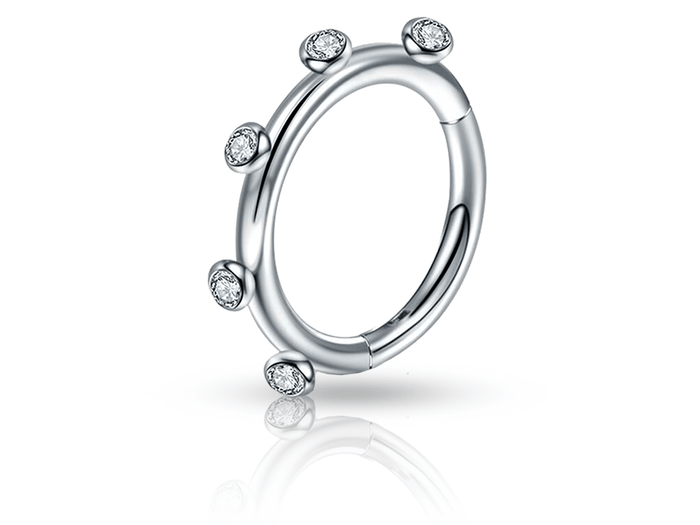
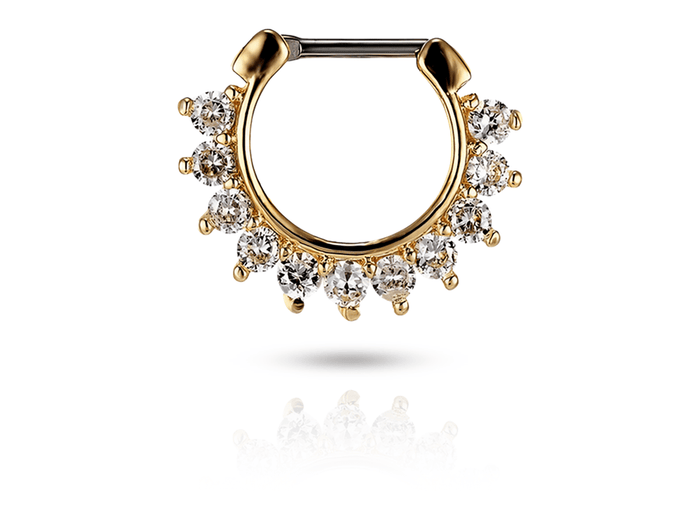
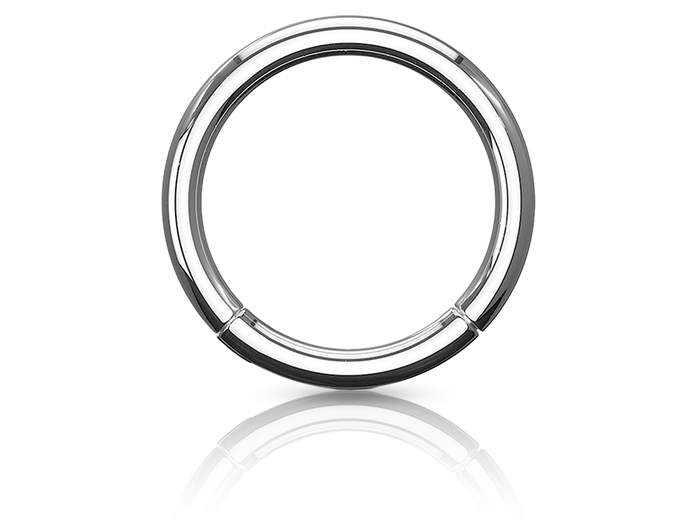
With a daith piercing, you can wear several types of curved barbells, but rings are probably the most common jewelry choice.
Rings are the best option for the healing phase. They will not catch on your clothes, and they give your piercing more room if you have significant swelling.

Conclusion
The daith piercing is not for everyone. It calls for a long recovery and some discomfort at first. So yes, a daith piercing does hurt, more than a simple lobe, because the needle passes through cartilage.
But for many people, the stunning look and the potential migraine relief that can come from a daith piercing are worth more than the pain and the cost. Go to a reputable piercer, follow your aftercare, and give it the months it needs to settle.