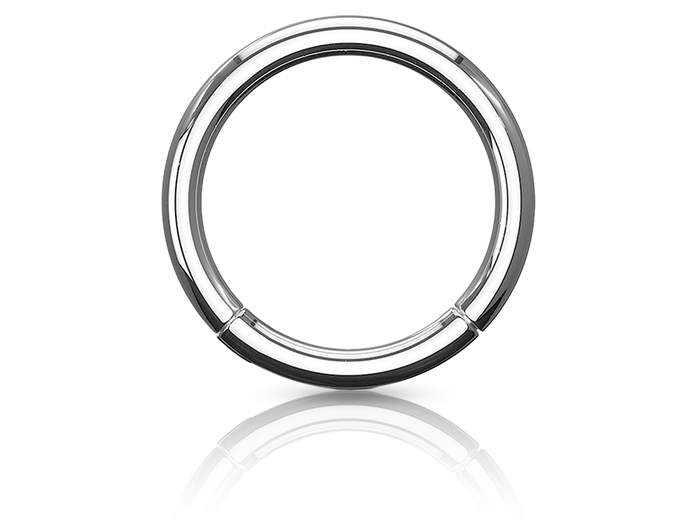

Over the last few years, the labret piercing has become a hugely popular style statement for women and men alike.
That said, whenever you're considering a new piercing — especially one on your face — you want to go in knowing exactly what you're signing up for. This guide covers everything you need to know about the labret piercing: the styles, the procedure, the pain, the cost, and most importantly, labret piercing healing and aftercare. Let's dive in!
Table of Contents
- What Is a Labret Piercing?
- Types of Labret Piercing
- How Is a Labret Piercing Done?
- Does a Labret Piercing Hurt?
- How Much Does a Labret Piercing Cost?
- How to Prepare for Labret Piercing Healing
- How to Heal a Labret Piercing Properly
- How Long Does Labret Piercing Healing Take?
- What Jewelry Should You Choose for a Labret Piercing?
What Is a Labret Piercing?
A labret piercing is the perforation of the central point just below the bottom lip. Although many people assume a labret piercing sits on the outer lip itself, it isn't physically attached to the lip at all.

While plenty of people file it under lip or mouth piercings, it's technically more accurate to call it a "facial piercing."
As for the jewelry that goes in it, it's usually a small stud made of three main parts:
- The disc — the flat part at the back of the piercing (inside the mouth). It anchors the rest of the stud from the inside and stops it sliding out of the lip.
- The bead — the visible part of the stud that shows on the outside of the mouth. Labret beads come in all sorts of shapes, sizes and colors to match your style.
- The bar — the short central post that passes through the hole in the lip and connects the disc to the bead.
👉 You'll find this kind of labret stud in our shop.
A Short History
To touch briefly on the labret's history: while the exact origin isn't clear, it's well established that people living on the northwest coast of America were practicing labret piercing 3,000 years ago, using it to signal aspects of tribal life such as wealth, social standing and rank.
Types of Labret Piercing
While the most common labret is the central perforation below the lower lip, there are plenty of variations. Here are the most popular:
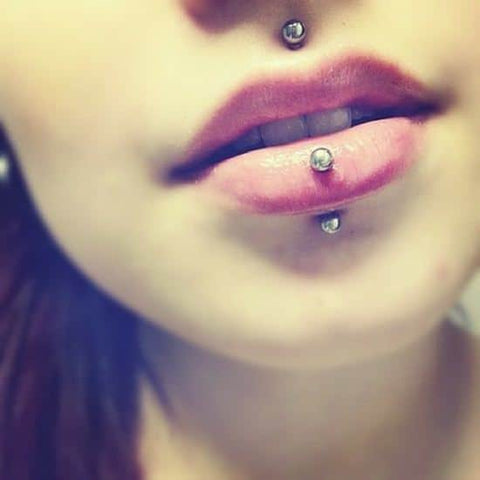
Vertical Labret Piercing

Unlike the standard labret, the vertical labret goes through the lip. The bar is also usually curved, so the piercing sits better with the natural contours of the lip. Where only one part of the jewelry shows on a classic labret, with a vertical labret both ends are visible.
One upside of the vertical labret is that, thanks to the position of the bar and jewelry, there's little chance of it knocking against your teeth or gums.
Horizontal Labret Piercing
Like the vertical version, the horizontal labret has two ends attached to a curved barbell — but the key difference is that it runs horizontally through the lower lip.

Because both sides have to pass through the extra-sensitive lip tissue (versus just one side with the vertical labret), this piercing can be slightly more painful during the procedure.
Side Labret Piercing
A side labret sits below the lower lip like a standard labret, except it's placed at the far left or far right of the mouth rather than dead center.
Double Labret Piercing
A double labret (also called a "dolphin bite") is when two standard labrets are placed very close together, side by side, beneath the lower lip. Double vertical labrets can be created the same way, so two parts of the jewelry are visible side by side under the lip and two more poke out from the lip itself.
How Is a Labret Piercing Done?
Although labret piercings look fairly simple, they need to be placed as precisely as possible to head off common problems like enamel erosion and gum damage (among the other risks covered later in this article).
That's why it's always best to choose a respected, experienced piercing specialist — especially for facial piercings. You really don't want to walk around with a botched piercing on your face, so do your research and find a good piercer in your area before walking into any shop.
The piercing itself is usually done very quickly, within seconds:
- First, the piercer cleans and disinfects the lower-lip area, then has you use an antibacterial mouthwash to clear out any harmful germs sitting behind the spot about to be pierced.
- Next, they'll likely mark the entry and exit points inside and outside the mouth to make sure the needle is positioned correctly.
- From there, the piercer clamps your lower lip for better stability and visibility, then quickly but carefully passes a hollow needle through the skin.
- Finally, the needle is removed and a temporary labret stud is fitted — and that's it! You can switch to different jewelry once the labret piercing has healed.

Afterward, your piercer will probably hand you an aftercare sheet explaining how to look after the piercing so it heals as well as possible and ends up looking exactly as you pictured.
Does a Labret Piercing Hurt?
The pain during the piercing process isn't considered too bad compared with other oral piercings — though a horizontal or vertical labret will likely hurt a bit more than the standard labret, since sensitive lip tissue is involved rather than skin. Remember, though, that it's over in seconds and usually feels like a quick, sharp pinch.

It's also worth noting that some mild pain and discomfort is normal over the following days of labret piercing healing. That's just your body's natural response to the skin being pierced, which typically brings at least some localized bruising and swelling (usually with a bit of soreness).
The pain usually starts as a throbbing ache for the first day or so, followed by tenderness when the area is touched over the next few days. Don't worry if it bleeds slightly while healing — that's fairly common. Taking aspirin or other blood-thinning meds shortly before or after the procedure can prolong the bleeding, though.
Finally, keep in mind that we all react to pain differently. What one person finds very painful, you might barely feel. So if a friend had a labret piercing and said it really hurt, that doesn't mean your experience will be the same. Try not to worry too much about the pain.
How Much Does a Labret Piercing Cost?
The cost of a labret piercing can vary quite a bit depending on several factors: the piercer's popularity and demand, their experience, the shop's location (country/city), and the type of jewelry you choose.
On average, a labret piercing costs between $45 and $75.

How to Prepare for Labret Piercing Healing
To make the piercing as effective as possible, it's worth doing a little prep before you head to the piercer.
For starters, your mouth is home to billions of bacteria, some of which can turn harmful if they get into an opening. So good oral hygiene in the week leading up to your appointment is essential:
- Brush your teeth, gum line and tongue at least twice a day and after any sugary food or snack. This keeps the bacteria count in your mouth lower, which supports healing in the area once the piercing is done.
- Floss after meals to clear food debris from between your teeth. Bacteria feed on those scraps to survive and multiply, so removing a food source cuts their numbers.
- Rinse with an antibacterial mouthwash after brushing to wipe out any bacteria that survived. Mouthwash can also reach spots your toothbrush and floss missed.
How to Heal a Labret Piercing Properly
Your labret piercing will only heal as well as your aftercare routine allows, so take the best possible care of it until the area is fully healed (meaning the skin inside the piercing has completely rebuilt and regenerated).
It might seem easy to look after a new piercing while it heals, but there are a few things you must do to minimize the risk of problems like infection and excessive scarring.
Don't touch or play with the piercing
Keep your hands (and anything else) away from your new piercing as much as you can. Your hands may look clean, but they likely still carry billions of bacteria that can harm an open wound on contact. It's just as important not to fiddle with the piercing by pushing or pulling it with your fingers, or nudging it with your tongue — that can disrupt healing, lengthen the healing time, and potentially cause more damage.
Clean the lip area properly
Don't use skincare products or artificial ingredients on your piercing, as they can irritate the area and slow healing. That means keeping soap, gels and alcohol-based products well away from it. Instead, use natural, skin-friendly methods to clean the area gently:
- A warm saline solution (or saline on a cotton ball or swab) is perfect for cleaning a new labret piercing. A cooler, chilled salt solution can be used if the area is swollen, since it may help bring the swelling down.
- Clean the area morning and night, and any time you think it may have touched germs or bacteria (for example, after touching it with a dirty hand).
- When you dry the area after cleaning, use a clean, unused paper towel to gently pat it dry. A regular, already-used towel raises your infection risk.
- Try not to use makeup, lotion, ointment or cream on the area during your daily skincare routine, since these can all irritate and damage the delicate healing skin.
For the best labret piercing healing, use a dedicated aftercare product, since these usually contain only ingredients that help during the healing stages.
Keep brushing your teeth
Even though the area just behind the labret may be swollen and sore for a few days after the procedure, you still need to keep your mouth as bacteria-free as possible — which means sticking to your daily brushing routine. A soft-bristled brush and a mild, flavor-free toothpaste can help prevent irritation at the piercing site.
Use a salt-water mouth rinse
Many commercial mouthwashes are alcohol-based or packed with fairly harsh, irritating ingredients. For that reason, rinse with a warm sea-salt solution (not table salt) at least twice a day and after meals. Besides keeping your mouth clean, it also flushes out any trapped food particles that may have lodged around the piercing site.
Keep your starter jewelry in for the recommended time
While the labret heals, keep the original jewelry in without changing or removing it. Taking the starter jewelry out too soon can cause irritation and let bacteria into the unhealed flesh, which could trigger infection and disrupt healing. Accidentally jabbing the already-inflamed flesh with the stud can also cause damage and slow things down.
Avoid smoking, alcohol and spicy food
Smoking while your labret is still healing is a hard no. All those harmful chemicals in cigarettes seep into the wound and cause all sorts of damage that can delay healing, cause infection, and even lead to more serious problems years down the line.
Avoid alcohol too, as it can over-dry the area and sting sharply if it gets into the wound. Likewise, spicy food can really burn the area if it touches the piercing, and can cause other side effects like redness, breakouts and itching. If you do eat spicy food, remember to wash your hands thoroughly before touching your piercing.
Eat carefully
A labret piercing takes some getting used to, and you'll need to be careful eating — especially while it's healing and still sore and sensitive. Chew your food very slowly so you don't accidentally bite the piercing, which is definitely no fun and could even tear the surrounding skin.
Follow all this advice for about 10 days. That's roughly how long it takes for the skin around the piercing to close, after which the infection risk drops a lot and the pain fades completely. If your piercing doesn't seem healed after 10 days, keep up your routine until any lingering symptoms clear. If after two weeks the area is still very red, painful and swollen, see your piercing professional to rule out complications like infection or a keloid.
How Long Does Labret Piercing Healing Take?
A labret piercing usually takes 6 to 10 weeks to heal completely. However, the tissue in the channel keeps repairing for up to 9 months, until the entire inner wall has fully hardened and regenerated.
So it's important to keep taking good care of the piercing well beyond the first few weeks. The longer you look after it, the better it'll hold up over the years and decades to come.
The timeframes above are rough averages — many factors can lengthen labret piercing healing, including how clean and well-cared-for your new piercing is, and how your body responds to trauma.
Everyone heals at a different pace when it comes to skin and the tissue beneath it, so your healing could be much faster or much slower than the figures above, depending on your body. Taking care of yourself — resting well, exercising, staying hydrated and eating well — puts you in the best position to heal your piercing as fast as possible.

What Jewelry Should You Choose for a Labret Piercing?
Like all piercings, there's a wide variety of styles and jewelry available for your labret. The look-and-style possibilities are nearly endless:
- With balls, like this titanium labret stud in our shop:

- With rings, like this vertical labret available in our shop:
- With spikes, like this spiked labret (also in the shop, naturally!):

When shopping for labret jewelry, you'll often find pieces that come in several sizes. The right size depends on how you want to wear your specific piercing, but generally a 16 gauge is a good standard width for this facial piercing area.
If you're unsure about jewelry size, it's always best to consult a professional in person for their take on your piercing.