
Septum piercings have become a bold alternative to the classic nostril piercing. Anyone thinking about a nose piercing has to decide whether to pierce the nostril, the septum, or both, and one factor that often tips the scale is septum piercing pain.
The discomfort and tenderness a piercing causes can vary from one person to the next depending on their pain threshold. This article lays out what we know, from real experiences, about how much a septum piercing actually hurts.
Table of Contents
Will a septum piercing really hurt?
Honestly? Yes, at least a little.

A septum piercing will hurt at least a little, and we will not lie to you about it. Unless you happen to feel no pain at all (unlikely), you will notice the needle and the jewelry that follows passing through your septum. Most people find that the short burst of pain is well worth the look of a new piercing.
It helps to remember that plenty of things hurt and you are not going to dodge every bit of physical pain in life, so you might as well get something worthwhile out of this one.
On top of that, everyone who has had a septum piercing (or any piercing) endured the pain and came out just fine. The memory of the pain fades fast, but your new piercing sticks around for a long time if you take care of it.

How intense will the pain be?
Septum piercing pain is fairly strong. Again, we will not lie to you. Some people feel almost no pain at all (usually when an extremely skilled piercer does the work) and rate it a 1 or 2 on a pain scale of 1 to 10. For most people, though, a septum piercing hurts more than a simple nostril piercing.
Generally, people rate the pain between 4 and 6 for a septum piercing. That may sound rough, but remember it is all over in a few seconds.

Here is a sense of how a septum piercing compares to others, based on different people's experiences. It tends to hurt more than the ear lobe, tongue, or navel. But it is probably less painful than an industrial ear cartilage piercing, and almost certainly less painful than nipple or genital piercings.
What to expect at the piercer
A septum piercing is not that complex in terms of the process. If you have had other facial piercings, getting the septum done will feel fairly similar.
The piercing professional will clean the area with an antiseptic cleanser, then examine and mark the exact spot to pierce.
It is especially important with septum piercings that your piercer marks precisely the right spot. Piercing the columella, under the nose cartilage, causes far less intense pain.
If they hit the exact zone the piercing needs to pass through, you will unfortunately feel a bit more pain. The piercer may use a small clamp to hold your septum in place during the process. This makes sure the right spot is pierced and spares you unnecessary pain. A small hollow needle passes through the septum, followed by the jewelry. Your eyes may water and you might feel the urge to sneeze.
How long will the pain last?
How long a septum piercing hurts can depend on the experience and technique of the person piercing you. More experienced professionals tend to work faster, which means less pain. Of course, you do not want them sacrificing precision for speed.
In general, the initial pain should be done in a minute or less. You will probably feel some pain both when the needle passes and when the jewelry then goes into your new piercing.
Afterward, you will feel some soreness as your body adjusts to the piercing. A new piercing is basically a wound your body is trying to heal, so there will be inflammation, and you may even find your whole nose is a little tender to the touch. Still, you should be pain-free in just a few weeks.
Your septum piercing will take roughly six months to fully heal. Taking good care of your new piercing helps keep healing time to a minimum. For the complete timeline, see our guide to septum piercing healing. After about eight months, you can try stretching your septum piercing to larger sizes if that interests you.

What factors influence the pain?
Your body is complex, so various factors can affect the pain you feel during a septum piercing. That also means you can take steps to reduce the pain you might feel. Here is what to keep in mind:
How much rest you have had
Your body feels and heals better when you get enough sleep. It is an important part of your health that many people overlook. At a minimum, do not stay up late the night before your piercing. Ideally, sleep at least 7 hours a night for a week before your appointment.

Your physical condition
Have a cold the morning of your appointment? You might want to reschedule. If you already feel unwell, a piercing will not brighten your day. You will tolerate the pain better and heal your piercing faster if you start out in good health.
Alcohol or drug use
Anything that changes your state of mind can affect how your body feels pain. It is a good idea to avoid mind-altering substances before your piercing. Alcohol or drugs can also potentially slow the healing process, leading to pain that lasts longer than necessary.
The piercer's touch
Piercers are individuals and they all have their own style. That means one piercer's technique can be a little rougher and cause more pain than another's. An experienced piercer should not cause more pain than necessary. Your best bet is to ask around about people's experiences with the person doing your piercing. Paying a little more for an experienced piercer usually gets you much better results.
The piercer's experience
This is one of the most important factors in septum piercing pain. Get references for the shop, and if possible the specific piercer. A septum piercing has a small sweet spot under the cartilage of your nose. A piercer more experienced with the septum will find the right spot and do it efficiently, in as little time as possible.
Your personal healing ability
Everyone heals differently, and while healing is usually uncomfortable, some people feel more or less depending on their body. Someone who heals faster than another will likely feel pain for a shorter time during the initial healing period. Poor healing can also lead to a septum infection, which can be fairly painful until it clears up.

Your pain tolerance and mindset
If you know you feel pain more than other people, expect a septum piercing to hurt more for you than other people's stories suggest. If, on the other hand, you tend to tolerate pain well, you should have no trouble handling it. The way you think about the experience can genuinely make a big difference in how you tolerate the pain.
Being anxious and scared of the pain can make you more aware of how much it hurts. It also makes you tense, which will likely increase the pain you feel. To avoid this, try to keep a relaxed mind and research the septum piercing in advance to ease your anxiety.
How to cope with the pain
We have talked a bit about mindset. Here are a few tips to relax and reduce your pain:
- Bring music to listen to during your piercing. Music has been shown to help people raise their pain tolerance, and it keeps you from dwelling on the process.
- Have a friend come along for conversation. Just try not to move too much while you talk.
- Practice meditation or positive thinking and take slow, natural breaths.
- Remember that everyone who got a septum piercing before you felt pain, and the experience was worth it.
- Be well rested and clear-headed.
- Research everything you can about septum piercing before you head to the piercer. Knowledge can reduce anxiety.
- Eat something to stabilize your blood sugar before getting pierced. Some people can feel faint after a piercing if their blood sugar is low, though it is rare.
- Wear comfortable clothing.
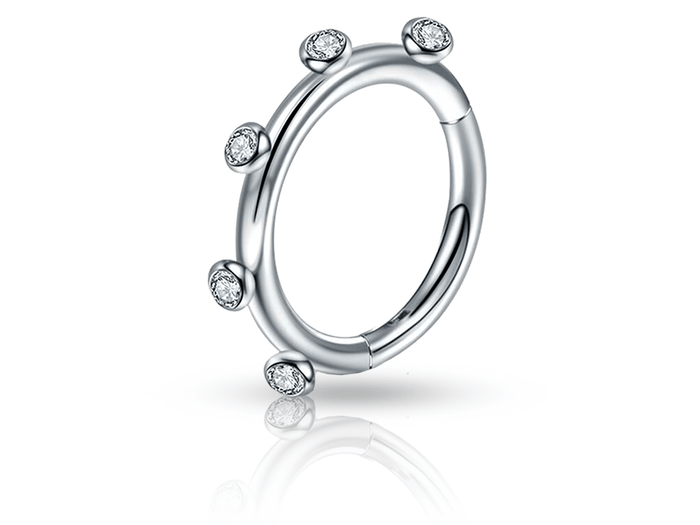
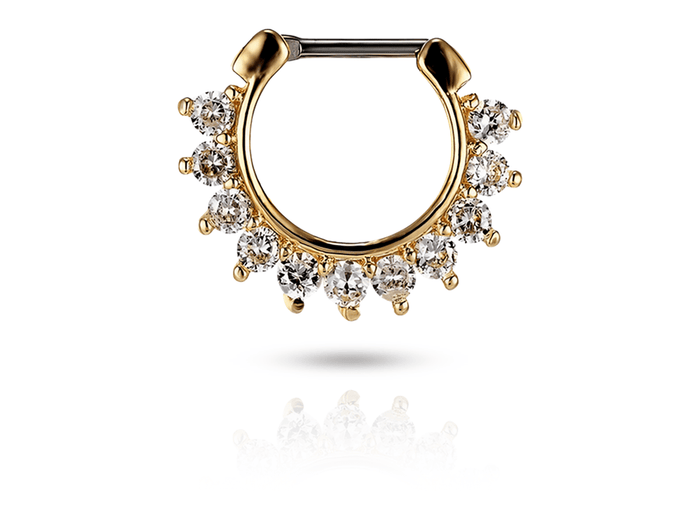
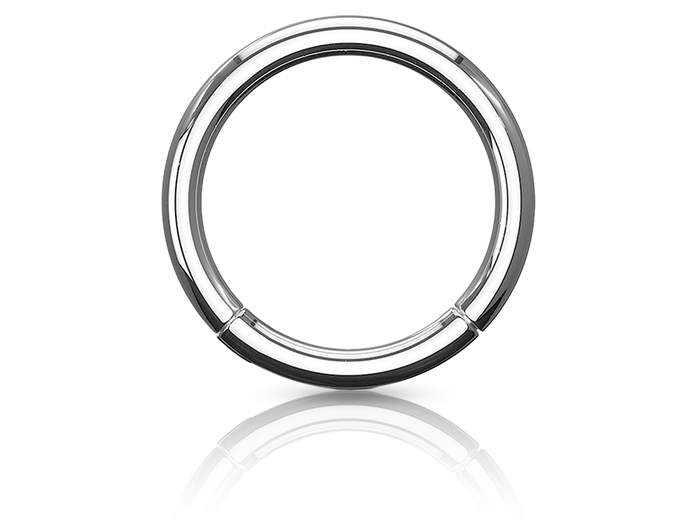
If you already know the pain worries you most, planning your jewelry ahead can help you feel in control. Something simple like this discreet septum piercing is an easy first choice, and knowing what you want takes one more decision off your plate on the day.
Still weighing the nostril versus the septum? Our guide on whether a nose piercing hurts breaks down the difference.
Conclusion
A septum piercing can feel a little intimidating, since many people rate it among the moderately painful piercings, but it is also one of the most striking pieces you can get. The jewelry sits front and center on your face, far more visible than a simple nostril stud.
The pain level varies from person to person, but you can definitely help reduce septum piercing pain by showing up relaxed, informed, and well rested. Good luck!