
Giving blood is one of the simplest ways to save a life, and wanting to help is something to be proud of. But before you roll up your sleeve, there is a common question worth clearing up: can you donate blood if you have a piercing?
The short answer for donors in the United States is: often yes, sometimes after a short wait. It all comes down to how your piercing was done. Here is exactly how the rules work and how long you may need to wait.
Table of Contents

Can You Donate Blood With a Piercing? The Short Answer
In the United States, blood centers follow eligibility rules set by the FDA and applied by organizations like the American Red Cross. For piercings, the key question is simple:
Was your piercing done with single-use, disposable equipment?
- If yes, you can usually donate right away, with no waiting period.
- If reusable instruments were used, or you are not sure what was used, you generally need to wait 3 months before donating.

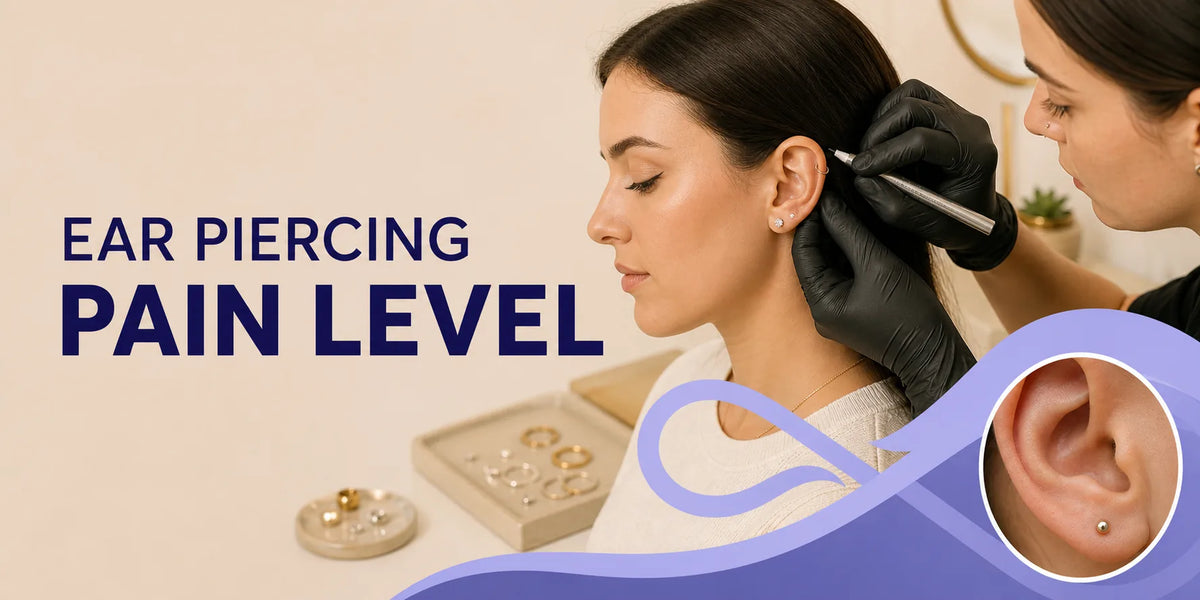
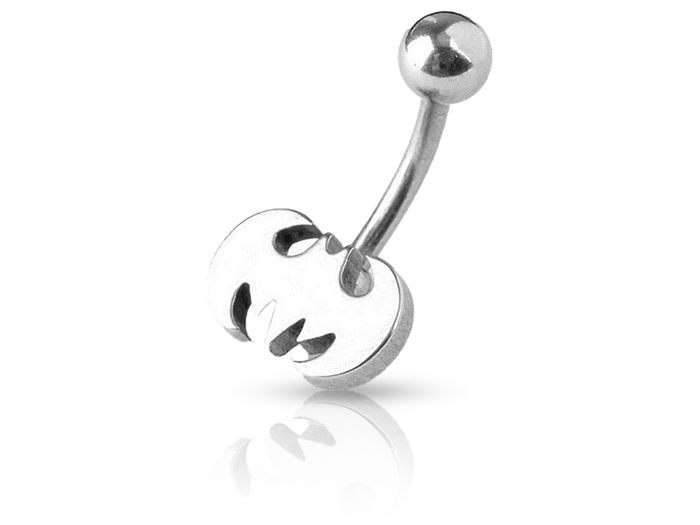
This applies to every kind of piercing, from a simple lobe piercing to a fresh belly button piercing. The location does not matter; what matters is the equipment and the shop's hygiene standards.
Not sure your piercing is fully settled yet? See our guide to belly button piercing healing time and our step-by-step advice on how to disinfect a piercing.
Why a 3-Month Wait May Apply
A piercing only takes a few seconds, but it does break the skin with a needle, and that is the part that matters here. Even if you went to a professional who uses sterile, single-use tools and keeps a spotless studio, the person screening you at the donation center has no way to verify, on the day, that every piece of equipment was truly single-use.
So blood centers apply a simple precaution.

Any needle that pierces the skin carries a small risk of passing bloodborne viruses, including hepatitis B, hepatitis C, and HIV. A short waiting period gives those infections, if present, enough time to show up on the routine tests every donation goes through.
After the wait, the screening tests can reliably flag contaminated blood so it is never transfused. That is the whole point of the deferral: it protects the person who receives your donation.

It Is Not Just Piercings
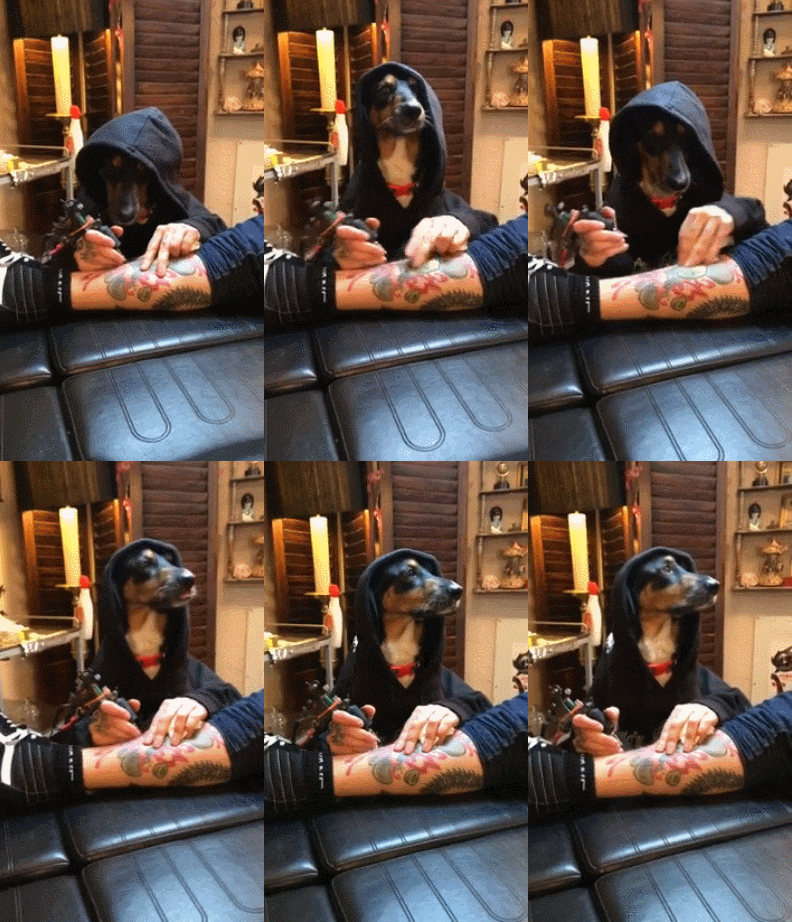
The same logic covers tattoos. In most states, a tattoo done at a licensed, state-regulated shop with sterile needles and fresh, non-reused ink means you can donate with no wait. If the shop was not regulated, or you cannot confirm the conditions, the usual 3-month deferral applies. The reasons are identical to piercings:
- The needle pierces the skin and comes into contact with blood.
- You need to be sure it was never used on anyone else.
- So there is a real, if small, risk of transmitting bacteria or viruses.
Blood centers also ask about other recent needle procedures. If you have had acupuncture or similar treatments with equipment you cannot confirm was single-use, a waiting period can apply there too. The safest move is always to tell the screener exactly how and where your piercing was done.

Conclusion
So, can you donate blood if you have a piercing? In the US, yes in many cases. If your piercing was done with single-use, sterile equipment at a reputable studio, you can usually donate without waiting. If reusable tools were used, or you are unsure, plan on a 3-month deferral.
The rule exists because of the small risk that needles carry, and it covers tattoos and other needle procedures too. When in doubt, call your local blood center or check the American Red Cross eligibility page before you go, then give with confidence.