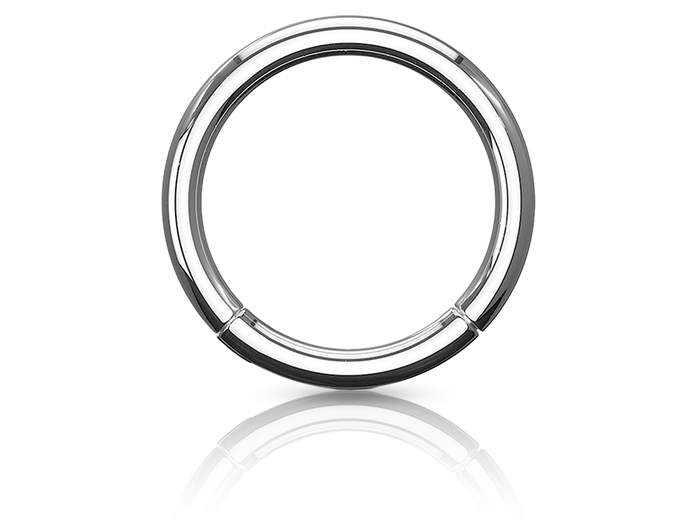

Most piercings are chosen because they look good. They help you create a unique style that represents you and your personality. But there is one piercing that is a little different: the daith piercing.
Why? Because the daith piercing for migraines is famous for easing migraines and headaches. But is that rumor actually true? Let us find out.
Table of Contents

What Is a Daith Piercing?
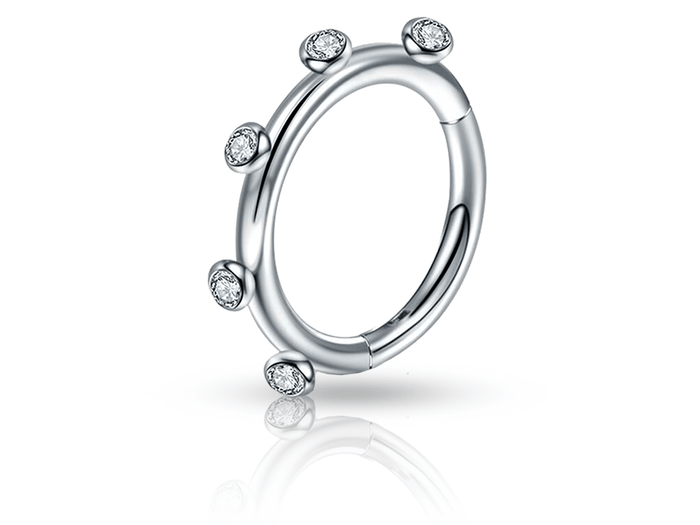
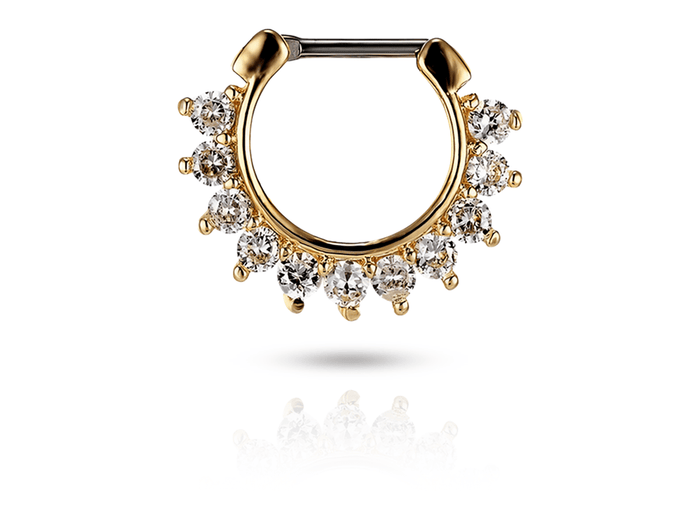
The daith piercing is placed in the innermost part of the helix. It is the small fold of cartilage just above the tragus.
Daith piercings are a type of ear cartilage piercing. And they are also, apparently, a migraine remedy.

How Does It Help Stop Migraines?
The thing to understand about whether daith piercings can prevent or reduce migraines and headaches is that everyone's anatomy is different, and piercers are not necessarily trained in medical anatomy.
Some people say their migraines stopped after a daith piercing, but if your migraines do not stop after a piercing, that does not necessarily mean daith piercings for migraines do not work. It could simply mean you were not pierced at the exact spot that eases migraine pain.

That is why it is a good idea to do a little research before getting a daith piercing for migraines specifically, which is clearly what you are doing right now.
You should know this: even if a daith piercing works for you as a migraine treatment, it does not cure them. But it can reduce how often they happen or make them less severe.
So is there any scientific data on daith piercings and migraines? The answer is yes.

Those who suggest getting a daith piercing to treat migraines point to acupuncture, a well-known alternative treatment for pain and other ailments. In fact, the daith piercing spot sits near an acupuncture point that is said to help with migraines.

The Acupuncture Argument
Acupuncture is considered an alternative health treatment in the West. It is based on traditional Chinese medicine and is widely accepted by many modern doctors, so it is taken seriously.
Acupuncture does not work the same way as conventional treatments, but anatomical studies have shown fairly encouraging results for the practice.
In traditional Chinese medicine, acupuncture has been used for thousands of years to treat headaches like migraines. The advantage of the daith piercing (acupuncture) over migraine medications, which are systemic drugs, is that acupuncture has an extremely low risk of side effects.
The idea is that piercing a daith and wearing jewelry inside it continuously compresses a pressure point in the ear that is linked to migraines.
As with acupuncture itself, different people get different results. If you like the look of the daith piercing and suffer from migraines, there is no harm in trying it as a treatment, right?

Surveys of people who got a daith piercing show that about half report never having a migraine or headache again.

Is There a Placebo Effect?
Of course, it is possible that for some people who get the daith piercing, the pain relief is the result of a placebo effect. A placebo effect simply means that when you believe a treatment works, it works.
Sometimes a placebo effect has positive results because it lowers your tension, and yes, reduced tension can help you cut down on migraines.

That said, a placebo alone will not be enough to eliminate migraines. Their causes are varied, and the muscle tension caused by stress is only one migraine trigger. The other causes would remain, but your symptoms might be eased. Some people who got the daith piercing report that their pain relief was only temporary.

Are There Risks to a Daith Piercing?
The risks associated with daith piercings are fairly minor, and they tend to be less serious than the side effects of migraine medications. The daith piercing can be a good alternative treatment for those who prefer not to take medication. The risks are the same as for any other cartilage piercing.
Risk of Infection
The most serious risk associated with the daith piercing is infection. If your daith gets infected, you may feel:
- pain,
- redness, and
- heat at the piercing site.
You may also have a bump or see pus draining from the piercing. The pus can be green or yellowish, and it is different from the normal clear drainage that signals healthy healing.

If the piercing gets infected, it is important to treat it right away with warm salt water. This stops the infection from spreading. If it spreads, you risk serious ear deformity and may need strong antibiotics to clear it.
To prevent the risk of infection and make sure your daith piercing heals as quickly and effectively as possible, there are also many aftercare sprays on the market that make the process much simpler.
Risk of Scarring
Scarring is usually not a problem with most piercings. However, cartilage piercings, like the daith piercing, are more prone to scarring. There are two different types of scars to know about:
- Hypertrophic scarring. Often, if you form a hypertrophic scar on the piercing area, you will get a bump around the piercing. The good news is that hypertrophic scars usually show up early and are temporary. With proper aftercare, they fade as your daith piercing heals.
- Keloid scarring. While keloids also form a bump around the piercing, they are usually not temporary. Keloids are the result of excess collagen generated in the surrounding cartilage.
The only thing you can do to prevent a keloid scar on your daith piercing is to follow good aftercare, as recommended by your piercer. Some people are simply prone to keloids.
Risk of Pain
If you already feel intense pain from frequent migraines, the brief pain of a piercing needle will not be a big deal in comparison. Piercing needles are extremely thin and sharp, which means the actual pain of the piercing is minor.

You may also feel some pain during the daith healing process. Again, this pain is usually less than what comes with migraines. Your piercing should not stay sore for more than a few days if you care for it and avoid infection.

How Much Does a Daith Piercing Cost?
Daith piercings cost a little more than some other piercings, simply because they require experience and knowledge from the piercer. And you definitely do not want to be pierced by someone who does not know what they are doing.
In general, a daith piercing at a professional studio costs between $60 and $80 in the United States.
Should You Get One Just for Migraines?
The truth is that we still do not know exactly how, why, or whether daith piercings work for migraines. But the risks are relatively minimal. If the worst happens, you can always take the jewelry out. Many people have felt "some migraine relief" from the daith piercing.
So we suggest getting a daith piercing if:
- you are otherwise in good health,
- you like the look of the daith piercing,
- you would be happy to keep it for the long term, and
- you are ready to care for it during healing to prevent complications.
Conclusion
The daith piercing is chosen as much for its look as for its reputed migraine benefits. More and more people are drawn to the daith piercing for exactly that reason.
Beyond that, it is a very visible piercing that you can wear with plenty of variety every day if you want. If you like the look and live with migraines, it may be worth a try.