
If your new piercing looks irritated, you can often care for it at home and learn how to disinfect a piercing with a few simple ingredients you already have in your kitchen.
A piercing that is developing an infection usually shows pain, swelling, and redness. Treating it quickly is the best way to avoid bigger complications, so it pays to act early.
Table of Contents
Some issues are milder than a true infection, such as a keloid, but even those are easier to manage when you treat the area early. Without proper care, a body or ear piercing can become infected, and an infection can be painful, unsightly, and, if ignored, a real health concern.

Your piercer will give you follow-up instructions and may recommend a store-bought disinfectant. Many people prefer to make their own solution at home, which feels less harsh and is gentle on both your skin and your body.
Good news: you are in the right place.
First Step: Prevent Infection So You Rarely Have to Disinfect
A brand new piercing can be a little swollen and slightly red for a few days. If the swelling gets worse or you notice unusual discharge, an infection may be starting.
The best way to avoid this is to keep the area clean and free of irritation. Usually, washing with an unscented antibacterial soap and rinsing thoroughly is enough, but a saline solution is also a solid option. Some piercers actually recommend a combination of the two.

Second Step: Make a Homemade Saline Solution to Disinfect Your Piercing
How to Make a Homemade Saline Solution
Here is how to prepare a homemade saline solution to disinfect your piercing:
- Warm up a cup of clean water (a warm, not boiling, temperature works best).
- Add sea salt (do not confuse it with table salt) to the warm water and stir until it dissolves.
- Soak the pierced area in the solution, or use a cotton ball to gently dab the sore spot.
- For oral piercings, swish the solution around like a mouth rinse, then spit it out.
During the first days of healing, this solution can help reduce swelling. You can use it several times a day to ease discomfort, prevent minor infections, and support the healing process.

Tips on Choosing the Right Salt to Disinfect a Piercing
Use fine-grain, non-iodized sea salt for your soaks and cleaning solutions.
It is better than ordinary table salt, which usually contains additives to keep it from clumping, along with other components that do not help healing.
Do not use coarse kosher salt or rock salt, because their large crystals do not dissolve easily.
Many piercers sell or provide sea salt, so you can often pick some up at the studio when you visit. Otherwise, look in the spice aisle near the table salt, or in the natural foods section of your usual grocery store. It is widely available in health food stores, and you can also order it online.
What Is the Best Saline Solution?
The best known saline is called "normal saline," and it is used in medicine as an intravenous drip and to clean wounds.
It is isotonic (it matches the salt concentration of human blood), which is exactly what the sea salt and water recipe is trying to imitate.
Normal saline is widely used in the medical field. It is a gentle yet effective cleaning agent that does not harm healthy tissue, unlike many stronger antiseptics.
Third Step: What Not to Do When Disinfecting a Piercing
Some common home remedies do more harm than good. Keep these off your fresh piercing.
- Avoid rubbing alcohol and hydrogen peroxide. These products can damage the cells your body needs to heal.
- Avoid cleaning the area with a scented soap, since fragranced soaps can cause irritation.
- Do not add more than the recommended amount of salt to your saline rinse. Too much salt can cause irritation.
- Remember the objects that touch your new piercing. Keep items like phones, toothbrushes, and your hands clean to avoid transferring bacteria to an open wound.
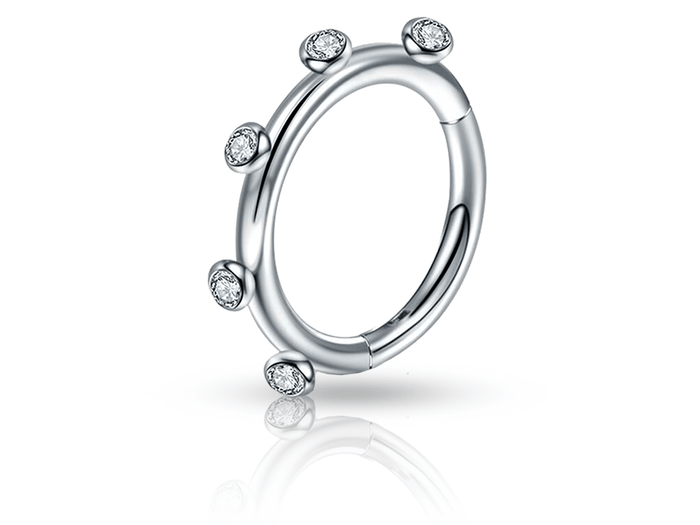
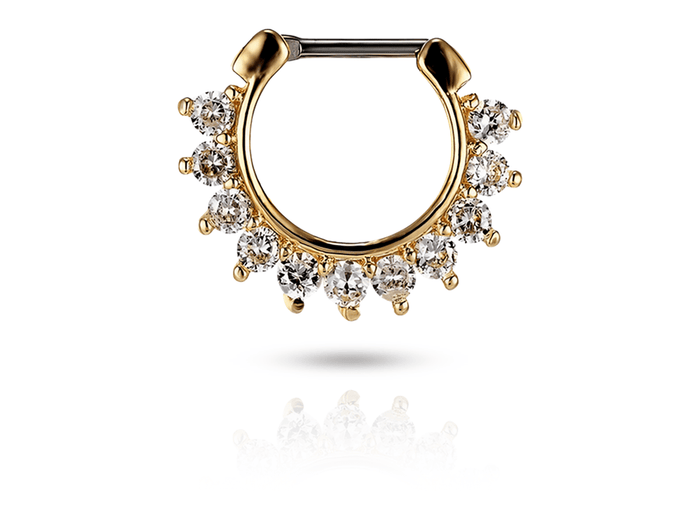
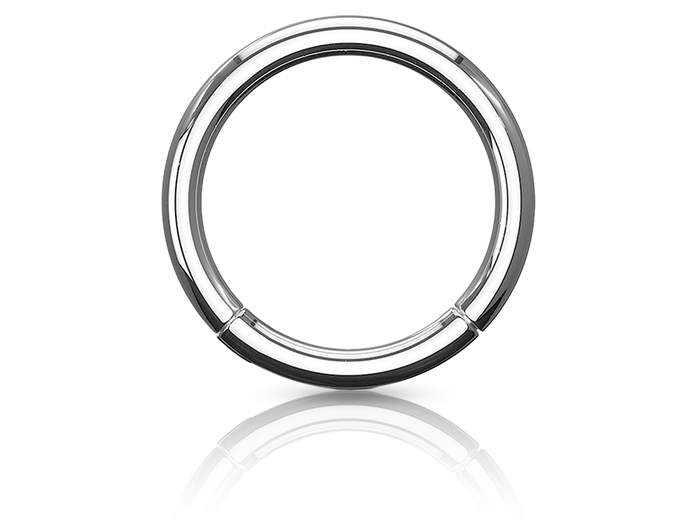
- Avoid low-quality jewelry, which tends to cause more complications than it is worth. Choose quality pieces in surgical steel or titanium instead.
- Avoid hydrogen peroxide. It kills bacteria, but it also kills the white blood cells that are trying to heal your piercing. This can cause irritation and lengthen the healing time.
- Avoid alcohol-based solutions, since they dry out the skin and irritate the piercing, which can actually trigger an infection.
- Avoid products that contain hydrogen peroxide, as they tend to slow healing rather than help it.
- Avoid drugstore ear-care solutions. The ones sold by jewelry counters and mall piercers often contain alcohol, hydrogen peroxide, and other harsh chemicals that only aggravate a new piercing.
- Avoid ointments. Antibacterial ointments and similar products mostly clog the pores and can smother the cells trying to heal the piercing.
- We do not recommend using mouthwash. After several days of frequent use, the surface of the tongue often turns green or brown and looks distinctly unhealthy.
Still healing and not sure what is normal? Our guide to ear piercing infection signs and treatment walks you through what to watch for.
What If You Cannot Disinfect Your Piercing?
An infection is not something to take lightly. If you feel prolonged discomfort and your symptoms get worse, call your piercer or your doctor. You may need medical care to make sure the infection does not spread.
A piercing can be a wonderful form of self-expression. Take the steps you need so your piercing heals properly, and you can enjoy it for a long time.
Conclusion
Now that you know how to disinfect a piercing, the routine is simple: keep the area clean, rinse with a gentle homemade saline solution, and steer clear of harsh products like alcohol, hydrogen peroxide, and scented soaps.
Pair good aftercare with quality jewelry in surgical steel or titanium, and your piercing has the best possible chance to heal cleanly. If symptoms ever get worse, do not wait: reach out to your piercer or a doctor.