



Tongue piercings have been popular for years. Still, if you are thinking about getting your tongue pierced, you probably want to know whether it is going to hurt. Do not worry, it is not the most painful piercing out there.
You may have a few questions, like how big the needle is and how long it takes. No problem. This complete guide to tongue piercing pain has all the information you need.
Table of Contents

Does a Tongue Piercing Really Hurt?
Everyone feels pain differently. Yes, a tongue piercing hurts, but the pain level can vary from one person to the next. Some people find it barely painful, while others say the pain is awful. Either way, you should expect to feel some pain.

How Intense Is the Pain?
Here is the good news about tongue piercing pain: the process is very fast. Many people say the pain can feel like an accidental tongue bite, but that is not quite right. A bite actually hurts much more, for a couple of reasons:
- The pressure of a bite is much stronger than the pressure of a needle.
- The pain of a bite covers a much larger area.
A Few Examples of What It Feels Like
The pain of a tongue piercing feels a lot like a vaccine shot. Why? Because a vaccine, like the tongue piercing, passes through a muscle. Your piercing will probably hurt a bit more than a blood draw.
If you have ever had anesthetic injections in your gums, you will find that those are less painful than a tongue piercing. The tongue has more nerve and vein endings than the gums. Some describe it as a burning sensation. Many people say the tongue piercing is far less painful than a lot of other piercings.

Even people who admit to having a low pain tolerance handled the tongue piercing very well. It really depends on how you feel it. Remember too that the initial pain lasts only a few seconds. Most people say they did not feel any pain when the jewelry was inserted.
What to Expect at the Studio
The first thing to do is fill out the usual forms and verify your identity. The piercer will also ask about your health. Be honest and report any illness or allergy. It is important that your piercer knows in advance. Never put your desire for a nice piercing above your health. Also, if you have been ill, the piercing will take longer to heal.
After that, the piercer will check your tongue and its length. Yes, some tongues are too short for a tongue piercing.

Finally, the piercer will examine the veins under your tongue. This prevents a piercing from going through a vein or artery.
- Most people's veins do not run directly through the center of the tongue, but if yours do, you may not be able to get this piercing.
- Depending on the exact position of your veins, the piercer may be able to place the jewelry so it avoids them.
- Once you get the green light, you will be asked to rinse your mouth thoroughly with an antiseptic mouthwash.
The mouthwash cleans the area and lowers the risk of infection around the piercing, and it also helps the healing process. For the warning signs to watch for later, see our guide on tongue piercing infection.

- For the piercing itself, a clamp is placed on your tongue so the piercer can hold it in place. This can be uncomfortable, but it should not hurt. Your tongue simply needs to be outside your mouth to reach the right spot for the piercing.
- The piercer marks the spot to pierce, making sure it is exactly centered.
Piercing near the tip can damage your teeth or cause speech problems because of where the jewelry sits.
- The sterilized needle is then placed on the mark, and your piercer inserts the needle into your tongue. It is usually a 14-gauge needle, slightly bigger than the one for an earlobe piercing.
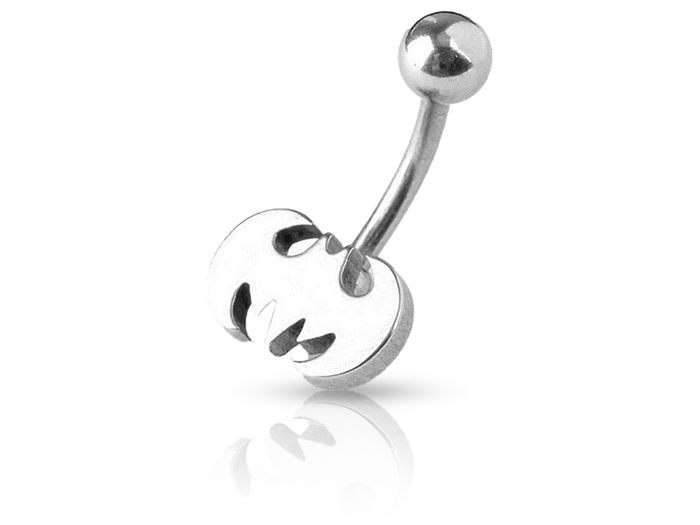
- The jewelry is then placed where the needle passed through, and the ball is screwed on top. It is quick and easy.
Keep in mind that the type of jewelry you choose will affect the final cost.

How Long Will It Hurt?
As mentioned above, the pain from the piercing process lasts a few seconds. However, your tongue will stay sore through the healing stage. Most people notice significant swelling of the tongue after the piercing. That is a normal reaction. Your tongue will feel tight and a little sore while it is swollen.
The good news is that this stage usually lasts only about 5 days. Swelling can hang around for the first full week, but it should go down soon after.
Once the swelling is gone, you may keep feeling brief twinges until it is fully healed after 3 to 4 weeks. For the full timeline, see our tongue piercing healing time guide.
What Factors Affect the Pain?
If you are still unsure whether you want to get your tongue pierced, know that a few factors can partly determine how much pain you feel.
Rest
Rest is important and will help you get through the pain more easily than if you are tired.

Your Health
Your current health plays a very important role. Good overall health lets you heal faster.

Alcohol and Drugs
Substances related to drugs and alcohol can change how you perceive pain.
The Piercer's Experience
To avoid any complications, go with a well-known, reputable piercer.

Your Pain Tolerance
Pain tolerance is very personal and varies from one person to the next. Unfortunately, you will not be able to use a numbing cream for tongue piercings. That said, many people find this piercing quite tolerable.

How to Cope With the Pain
You can use different methods to ease the pain of a tongue piercing. Here are a few examples:
- Listen to music to help you relax.
- Have someone talk to you to keep you distracted.
- Think about the end result of your piercing.
- Make sure you are rested and clear-headed, with no substances.
- Read up on the tongue piercing process.
- Bring a snack and eat it an hour before, so you do not feel faint.
- Relax by controlling your breathing and wear comfortable clothes.

Conclusion
The tongue piercing pain is manageable, and the process is quick. Take the time to relax and read up on the process beforehand.
Do that, and you will have a great experience with your new tongue piercing. A few seconds of a pinch is a small price for a look you will love.