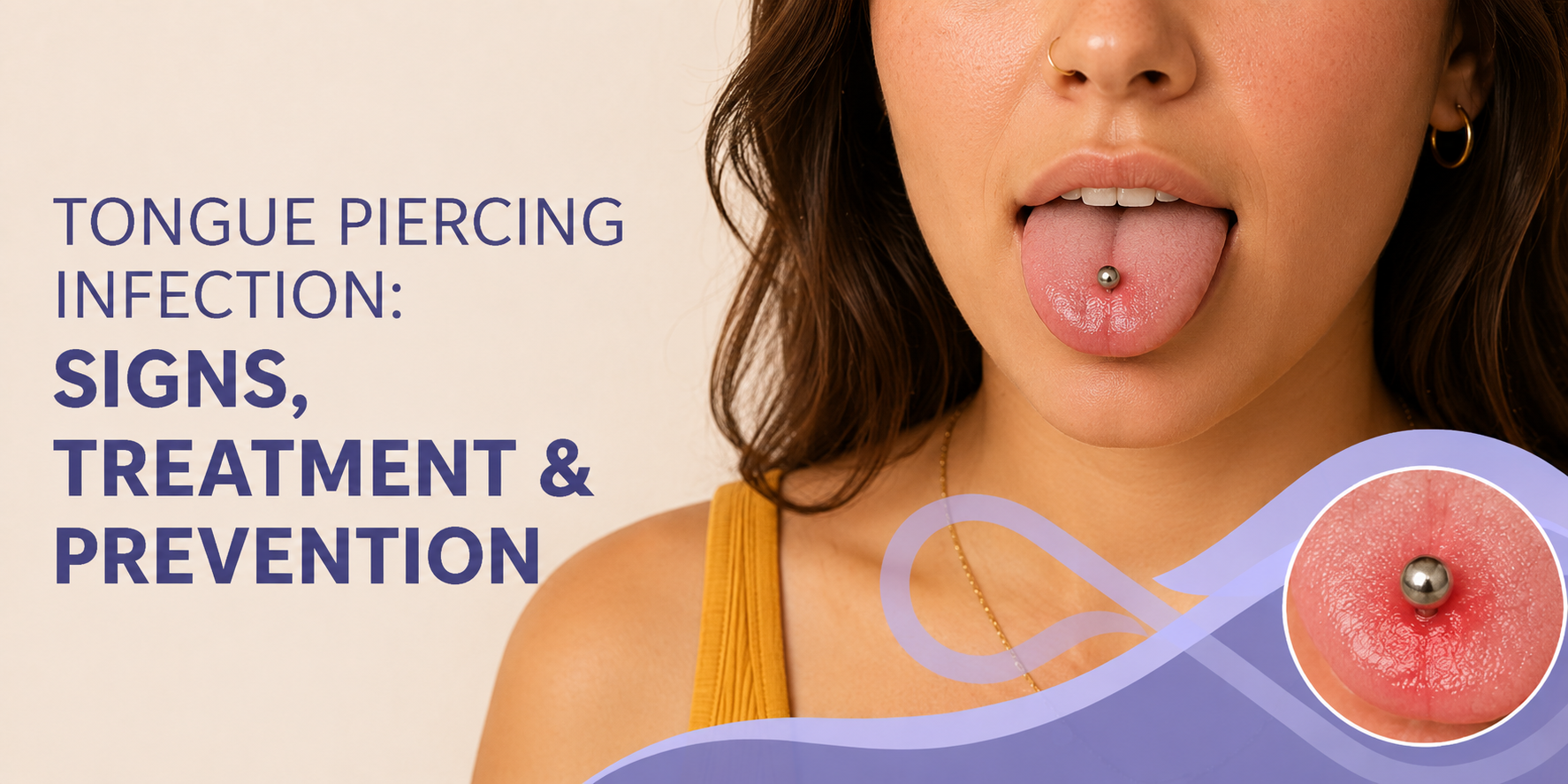



When you get a cartilage piercing, you're essentially creating a fresh wound on your ear. It may be small, but it still carries a real risk of infection if it isn't kept clean and cared for properly.
An ear cartilage piercing infection is no fun — you might end up with a swollen, red, painful ear after getting pierced. To keep your cartilage piercing looking great and to avoid long-term complications that could require antibiotics, follow the advice below on the causes, symptoms, and treatment of cartilage piercing infections.
Table of Contents
What Is an Ear Cartilage Piercing Infection?
Your piercer should mention the possibility of an infection when you get your cartilage piercing. It's a condition in which your body tries to fight off unwanted micro-organisms — usually bacteria. When an infection develops, you'll likely notice a swollen, red ear around your piercing.
A cartilage piercing infection happens when bacteria get into the opening of your new piercing. Infections usually only set in early in the healing process, while the piercing wound is still open.
Of course, a cartilage piercing can take quite a while to heal fully — at least three months, and often longer — so the window for infection is longer than it is for earlobe piercings or piercings in other fleshy areas.
Unlike infections elsewhere on the body, an infected cartilage piercing can spread from the surface into the cartilage itself. That means it can cause further complications and become harder to treat.
Infections can also be the cause of that unsightly red bump that sometimes forms around the piercing, though a bump isn't always a sign of infection (it could be a keloid).

What Causes Ear Cartilage Piercing Infections?
Sometimes there's nothing you could have done to stop an infection — bacteria are sneaky little parasites. But most of the time, a cartilage piercing infection has a preventable cause. Here are the main reasons an infection takes root.
Unhygienic Conditions at the Piercing Studio
Reputable piercers make sure that everything used in the piercing process, such as the piercing needle, is clean and sterilized. They also make sure to have clean hands or to wear gloves. Anything that can harbor bacteria — objects or body parts — can potentially carry the bacteria responsible for infections.
More experienced professionals tend to charge more for their work, but that small extra cost for a cartilage piercing is well worth it.
Touching Your Piercing
This goes for your own hands too — and your friends' hands. Keep a strict hands-off rule for your piercings and you'll be far less likely to pick up an infection. Whenever you need to clean your new cartilage piercing, wash your hands first to reduce the risk of infection.
Not Following Proper Aftercare and Cleaning Advice
When you get a cartilage piercing, your piercer should explain how to clean and care for the wound while it heals.
Follow what they say and use the products they suggest. You should use a saline or salt-water solution to soak your piercing every day. You can also wash the jewelry with a small amount of soap and water before rinsing it thoroughly. Learn more about how to disinfect a piercing.
Wearing Low-Quality Jewelry
Bacteria are always present to some degree. There are bacteria on your ear right now. But most of the time, these small amounts of normal bacteria cause no problems — unless something else is irritating your piercing, which makes you more likely to develop an infection.
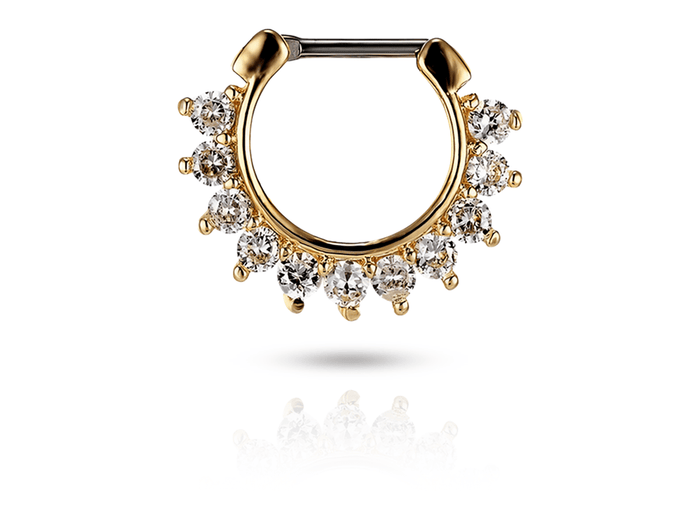
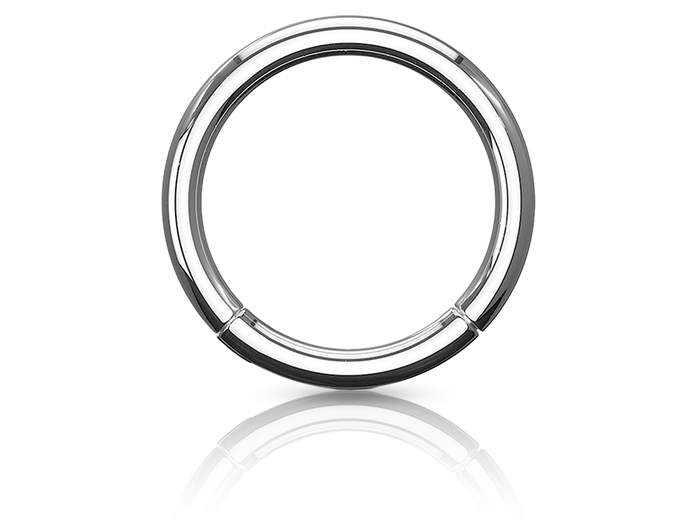
Using low-quality jewelry for your piercing is one of the things that can trigger irritation or an allergic reaction. When your ear is in that vulnerable state, it can't fight off even normal levels of bacteria. Make sure any new piercing you get only uses gold, steel, or titanium jewelry. These metals are less likely to cause reactions.
Injuring the Piercing
Just like wearing low-quality jewelry, anything that irritates the pierced area makes it more vulnerable to infection. When your body has to deal with an injury, irritation, or an allergic reaction, it's less able to cope with other problems such as bacteria.
To reduce the risk of infection, don't sleep on the new piercing, and take precautions when you play a sport or do other strenuous activities, such as dancing at concerts, so your cartilage piercing isn't knocked or snagged.

Signs and Symptoms of a Cartilage Piercing Infection
You shouldn't wait until your cartilage piercing is severely infected before you start treatment. Waiting raises the odds that you'll need medical intervention, when you could easily treat the infection yourself if you catch it early enough.
So what are the symptoms of an infection?
A Swollen, Red, Painful Ear
When your skin looks red and hurts when you touch it, that's a sign of inflammation. If this happens, your skin may also feel hot to the touch. A raised body temperature actually helps certain types of immune cells fight bacteria and viruses more effectively.
Note that your skin will be red and tender for the first couple of days after a piercing, which is part of the normal healing process. However, if the initial redness fades and then comes back, or if the piercing stays red for more than a few days, you should treat it as if it's infected.
Discharge Coming From the Piercing
A cartilage piercing that's healing normally may drain a little clear fluid and form crusts — that's nothing to worry about. On the other hand, if the discharge from the piercing is yellowish or green, that's pus, which is a sign of infection.
Prolonged Bleeding
Sure, there may be a little blood for the first day or two after getting a new piercing — you do have a wound on your ear, after all. Even so, when everything is going well, the bleeding should clear up fairly quickly. If your piercing keeps bleeding, start treating it for infection.
Ear Cartilage Piercing Infection: What to Do

The first thing to know about treating an infected cartilage piercing is do not remove the earring. Keeping your jewelry in place helps the piercing drain, which is necessary so your body can clear out the problem bacteria and flush the wound.
You should also keep up your daily cleaning routine, soaking the piercing in salt water or using a pre-made saline solution. Then try one or more of the following suggestions.
Increase Your Salt-Water Soaks
Carefully clean your piercing up to three times a day with salt water or saline. If you have an infection, it can be better to make your own salt water for soaking, since using the solution while it's still warm will soothe the infected area.
Apply a Warm Compress
In addition to soaking in warm salt water, you can place a clean, warm cloth or a gauze pad soaked in salt water on the infected area. Or use a chamomile tea bag steeped in hot water.
Let it cool to a comfortable temperature before applying it to your piercing. The salt helps clean, chamomile has natural healing properties, and the heat can help boost blood flow to the cartilage.
Apply a Cold Compress
Alternating between hot and cold on the infected area will increase blood supply to the cartilage. Cartilage tends to have less blood flow than fleshy areas of the body, so this can really make a difference.
Better blood supply means more antibodies are delivered to the area to fight the infection.
Use an Antibacterial Spray
Antibiotics can help clear an infection faster. Make sure you use a spray, such as Azithromycin. Antibiotic ointments will stop the piercing from draining.
Try Tea Tree Oil
Tea tree oil has natural antibacterial properties and helps relieve inflammation. You can mix a drop or two with a little carrier oil, such as coconut oil or jojoba oil, then gently apply it to your infected cartilage piercing. Use tea tree oil two or three times a day.
What If a Cartilage Infection Persists?
If your cartilage piercing infection gets worse or persists for more than a week, ask your piercer or doctor for advice. Infections can spread throughout the cartilage and into the rest of your ear, potentially leading to long-term damage. You may need to take a strong oral antibiotic to prevent this.
What Happens After a Cartilage Piercing Infection?
You'll know the cartilage piercing infection is clearing up when all the symptoms are gone. Your swollen, red ear and the pain should fade away.
Whatever treatment you used, keep it up for a few days after your symptoms disappear so you can be sure the infection has been completely treated. Then you can go back to your usual cleaning routine to keep another infection from starting.
How to Prevent Cartilage Piercing Infections in the Future
Once your piercing is infection-free, you can take a few simple steps to prevent another infection down the road.
- Don't touch your piercing with dirty hands, and don't twist or play with it
- Keep cleaning the piercing with a saline solution daily until it's fully healed
- Sleep on the opposite side so the piercing isn't pressed against your pillow
Conclusion
With proper aftercare and a few precautions, you can usually prevent an ear cartilage piercing infection altogether.
And if you do develop one, don't panic. Infections can usually be treated at home with daily cleaning and a topical treatment such as tea tree oil, warm and cold compresses, or antibiotics prescribed by a healthcare professional.