
You waited ages for it — but now that you've finally got your belly button pierced, are you starting to worry about an infection?
Navel piercing infections are, unfortunately, a real possibility, so it's worth staying alert to the smallest warning signs. That said, there's no need to panic too soon. A fresh piercing can look a little alarming during the first few weeks — what matters most is paying attention throughout the entire healing process.
Table of Contents

How do you tell when something's actually wrong? In this guide, we'll walk through every symptom to help you heal without a hitch, and we'll tell you exactly how to respond if your navel piercing does get infected.
What Is an Infected Navel Piercing?
Here's the blunt truth: an infected navel piercing can happen to anyone.
In the days and even weeks after a navel piercing, you're essentially walking around with an open wound. Like any open wound, it can develop an infection — all it takes is for germs and bacteria to get into the skin before it's healed enough to protect itself.
Your immune system can't always fight these infections off on its own, and the damage can start before you even suspect anything is wrong.
Often, people sense they might have an infection but put off checking for a few days — and a lot of skin damage can happen in that window. Knowing exactly when to see a doctor can be tricky, though.
Either way, it's best not to wait too long before getting it looked at. Some infections are mild and easy to clear up, while others are more complicated — and even mild ones can spiral out of control if they aren't handled properly.
Infections confined to the piercing area are the easiest to treat. Holding off on a doctor's visit, however, can have serious consequences: if the infection spreads through your whole body, it could even be life-threatening.
The good news is that by the end of this article you'll be able to spot an infection and care for your piercing as it heals. Understanding how and why infections happen is the first step to avoiding them.
Prevention is always the best medicine!
What Causes a Navel Piercing Infection?
In the world of bacteria, there are two kinds: the harmful sort and the good kind. You've probably heard of the friendly type already — probiotics, for instance — which actually help your immune system do its job.
Infections are caused by harmful bacteria getting into the wound. Once they're in, if your immune system doesn't fight them off, they start to multiply.
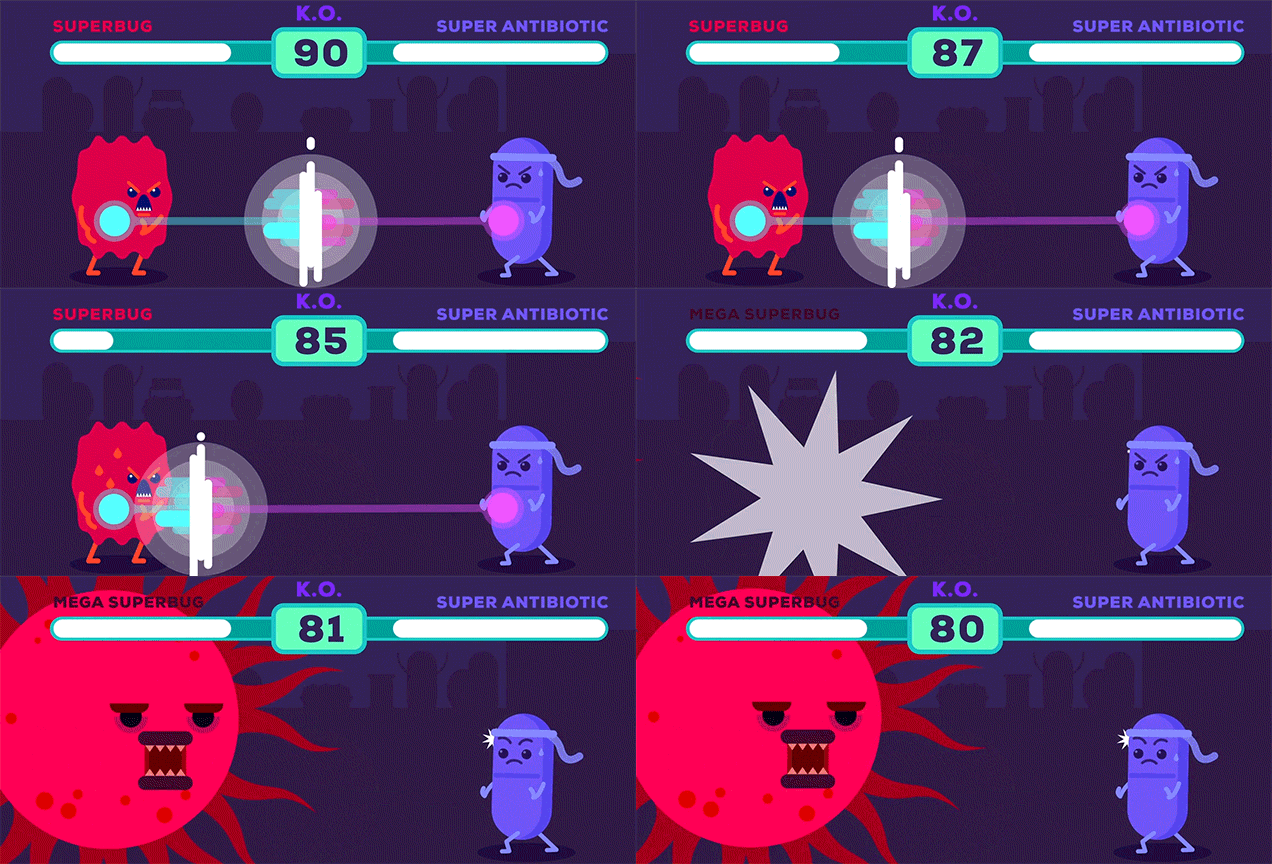
This can happen in a number of ways, but understanding how lets you cut your risk of it happening at all.
Here are the most common causes of an infected navel piercing:
- The piercer didn't use sterile equipment.
- The piercer used the wrong technique.
- The piercing wasn't done by a professional.
- The piercing was touched with dirty hands.
- The navel wasn't cleaned well enough.
❌ The piercer didn't use sterile equipment
Not every piercer bothers with sterile tools. Some are far more focused on making money and cut corners on responsibility. They might not sterilize their equipment at all, or do it incorrectly.
❌ The piercer used the wrong technique
Always ask your piercer which method they use: a gun or a needle. If they say a gun, walk out.

Pricewise it might look like a bargain, but the infection risk is far higher. Gun piercing causes more tissue damage than a needle, which means a more painful experience and potentially a longer recovery. On top of that, if the gun isn't single-use, you risk introducing other people's tissue and blood into your navel area. And even if your piercer cleans the gun between uses, it may be cleaned and sterilized poorly.

Your piercer should use a needle — and a brand-new one for every client. Accept nothing else. Before starting, they should also wash their hands and put on fresh disposable gloves.
❌ The piercing wasn't done by a professional
If a friend offers to pierce you, say no. Look for a reputable piercer with a solid track record. Trust your gut when you talk to them, and if anything feels off, leave. Going with a more experienced professional may mean a more expensive belly button piercing price, but it pays off in the long run.
❌ The piercing was touched with dirty hands
You can accidentally introduce a lot of germs just by handling your piercing with your hands. Before touching a fresh piercing, make sure you've washed your hands thoroughly with soap. Healing also goes faster if you're not constantly fiddling with it.
Avoid submerging your piercing in water, too, since it can harbor harmful bacteria. That means staying out of pools and skipping baths for a few weeks.

❌ The navel wasn't cleaned well enough
It can feel tedious, but taking time every day — several times a day, even — to clean your navel piercing is essential. Cleaning it properly genuinely lowers your odds of infection.
When you clean it, avoid reopening the wound and leave the crusties in place — they help protect the piercing from infection. Crusts form for a reason! Occasionally, navel piercing rejection can cause crusting around the area, so keep an eye out if that happens.
It's well worth the time to keep your piercing clean. And if you're unsure of yourself, an experienced piercer can help you stay on track through the healing process.
Is My Navel Piercing Infected? Signs and Symptoms
It can be hard to tell when your piercing is starting to get infected, but knowing what's normal and what isn't helps you decide when to call your doctor.
Here are the usual (and perfectly normal) symptoms:
- A little blood and a crust forming over the wound.
- Some soreness, redness and swelling.
As healing kicks in, your skin may start to feel irritated. If you notice that, remember it doesn't necessarily mean there's an infection.
So how do you know when there actually is one?
❌ Increased pain
Pain levels can swing from day to day depending on your activity and clothing. If you notice a sharp spike in pain without any change to your routine or workouts, stay alert.
❌ Strange discharge
Right after the piercing, your navel will probably ooze something that looks foreign — and that doesn't automatically mean infection. But if you notice more discharge in the following days, pay attention to its color and smell. A foul odor and a yellowish color can signal infection. Call your doctor!

❌ A cyst
If you spot a fluid-filled cyst, that's a clear sign you may have an infection.
❌ Red, hot skin
You'll get some redness after your piercing. But if it worsens and the skin feels hot to the touch, that could mean trouble. And if you see red streaks on the skin, that's almost certainly a sign of infection — don't delay calling a doctor at that point.
❌ Fever
If you've got signs of infection plus a fever, book an appointment as soon as you can. A fever can mean the infection has spread beyond the piercing, so seeing a doctor quickly matters more than ever.
How to Treat an Infected Navel Piercing
The first thing to do is cover your piercing to keep it from coming into contact with all the bacteria floating around in the air.

Depending on how severe your infection is and how far it's spread, you'll likely be asked to do several things to clear it up:
- Always wash your hands before touching your navel piercing.
- Several times a day, hold a warm, damp cloth soaked in hot water against the infection. The moist heat helps the discharge drain.
- Use sea salt to clean your piercing.
- If the infection seems to be getting worse, call the doctor. You'll likely be given an antibiotic ointment to apply to the skin several times a day.
What Happens After an Infection?
After a navel infection, it can take weeks — even months — for it to clear completely.
Follow all of your doctor's instructions to get rid of the infection. Don't stop taking your antibiotics just because the infection looks like it's improving.
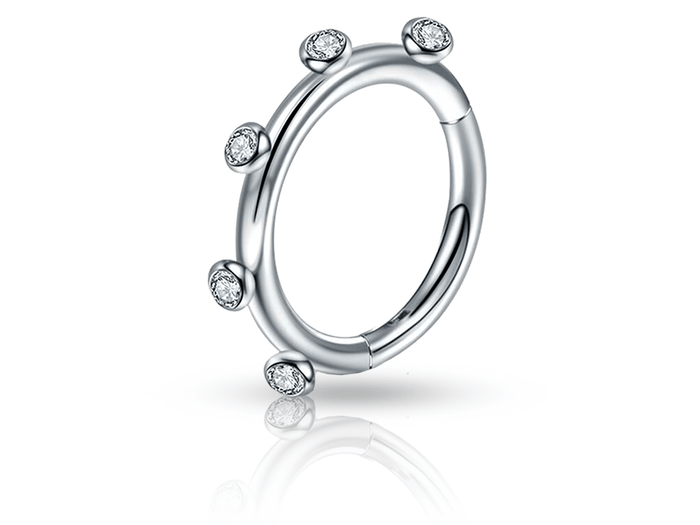
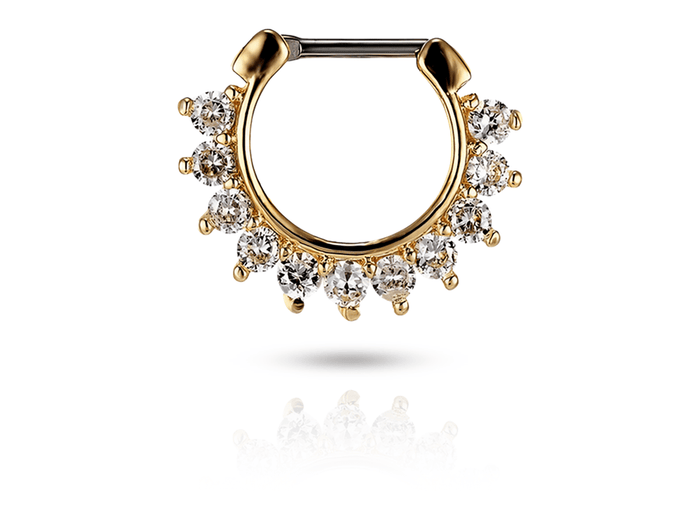
When it's time to change your jewelry, choose quality pieces made from low-allergy materials, like gold or titanium. Allergic reactions can raise your infection risk.
While most infections show up in the first two weeks, they can strike at any time — months or even years later. The key is to stay watchful for the signs and remember that you should always take an infection seriously.
How to Prevent Infections
✅ Make sure you wear high-quality jewelry!
This is one of the best ways to prevent future infections. Low-quality jewelry is often made from cheap materials — and those cheap metals don't just trigger allergic reactions, they break easily too.

Broken jewelry can cause small injuries that raise your infection risk.
It's also important not to swap piercings with friends. Even if you try to clean or disinfect the jewelry properly, the risk is still there.
While no one can stop you from wearing secondhand jewelry, know that you could end up spending far more in the long run treating a new infection than you would simply buying a fresh piercing.
Conclusion
No one gets their navel pierced expecting to be the unlucky one who ends up with an infection — but the risk is real. The answer is to do everything in your power to avoid it.
Treating an infected navel piercing can be tedious, but keep in mind that if you follow the instructions properly, your infection will get better. Going forward, you'll also be better prepared: you'll know exactly what to do to keep infections away. And before long, your gorgeous navel will be healed and ready to show off with pride!